AI-Driven Precision: The New Era of Procurement Quality

Procurement quality assurance (QA) has moved from a reactive, administrative function to a proactive, data-centric discipline – thanks to advancements in technology.
For some of the world’s largest enterprises, the traditional model of quality assurance, characterised by manual spot checks, periodic audits and retrospective compliance reviews, is no longer sufficient to navigate the complexities of modern supply chains.
As geopolitical volatility, stringent environmental regulations and the demand for rapid innovation increase, the definition of "quality" has expanded. It now encompasses not only the physical integrity of a product but also the data integrity of the supplier, the ethical standing of the tier-n network and the resilience of the entire logistics infrastructure.
This shift is being driven by the emergence of Agentic AI and other technologies, which allow companies to govern their procurement operations with unprecedented precision. With this, QA is being integrated at the point of inception rather than the point of delivery. By using autonomous agents to draft scopes of work and digital twins to simulate supplier performance, organisations are identifying potential failures months before they manifest in the physical world.
This transition from detecting defects to predicting and preventions showcases this leap in operational maturity, allowing procurement leaders to become protectors of enterprise value.
Plus, with the rise of unified data ecosystems has enabled a level of transparency previously considered impossible. Teams are now able to monitor their supply chains in real time, tracking everything from a component’s carbon footprint to a supplier’s financial health. This continuous QA model ensures that quality standards are maintained throughout the duration of a contract, rather than just at the moment of signing.
By automating the verification of thousands of variables across millions of transactions, AI-first organisations are eliminating human error and ensuring that every pound spent aligns with both technical specifications and corporate values.
The economic implications of this technological pivot are substantial. Recent data indicates that companies prioritising digital QA in procurement are seeing significant reductions in capital expenditure and inventory waste. By validating designs and supplier reliability in virtual environments, these firms can uncover hidden capacity in existing assets and avoid the costs associated with production delays or product recalls.
As the global economy enters a period where agility is the primary competitive advantage, the ability to guarantee quality at scale, autonomously and instantaneously, has become the new benchmark for excellence in the procurement function.

Siemens: The Metaverse of Manufacturing
Siemens is redefining quality assurance through its “Industrial Metaverse” initiative, centred on the Digital Twin Composer. The platform creates high-fidelity virtual environments that simulate factory operations and end-to-end supply chain processes using real-time engineering data and physics-level accuracy.
For procurement teams, this enables components, layouts, and processes to be tested before physical implementation. In early 2026, Siemens reported that deployments with companies such as PepsiCo delivered a 20% increase in throughput and nearly 100% design validation. “Industrial AI is no longer a feature; it's a force that will reshape the next century,” said Roland Busch, President and CEO of Siemens AG, during CES 2026. “We’re delivering AI-native capabilities… to help our customers anticipate issues, accelerate innovation and reduce cost.” AI-driven simulations can identify up to 90% of potential issues before any physical changes are made, shifting quality assurance from reactive inspection to proactive prevention.
By connecting design, simulation, and operations into a continuous “digital thread,” Siemens is embedding quality earlier in decision-making. This virtual validation not only improves quality outcomes, but also supports more informed investment decisions, helping reduce capital expenditure by up to 15%.

BMW Group: Agentic Precision and Catena-X
The BMW Group has enhanced procurement quality assurance through its multi-agent AI system, AIconic. This platform leverages specialised AI agents, including the Tender Assistant and Offer Analyst, to support consistent, high-quality supplier interactions.
The Tender Assistant guides procurement teams in creating documents using proven best practices, while the Offer Analyst evaluates supplier bids against legal and technical criteria. This automation allows human experts to focus on strategic decisions rather than manual data verification.
Beyond internal tools, BMW drives Catena-X, an open data ecosystem for the automotive industry. This network enables real-time reporting of component issues, helping prevent defective parts from entering the assembly line.
Dr Nicolai Martin, Member of the Board of Management of BMW AG for Purchasing and Supplier Network, said: “At the BMW Group Purchasing Division, digitalisation and artificial intelligence are no longer just future topics – they are part of our daily reality.” Through these standards, BMW identifies anomalies in components up to four months earlier than conventional methods, improving efficiency, compliance, and product quality across the supply chain.
Unilever: Building the AI-First Backbone
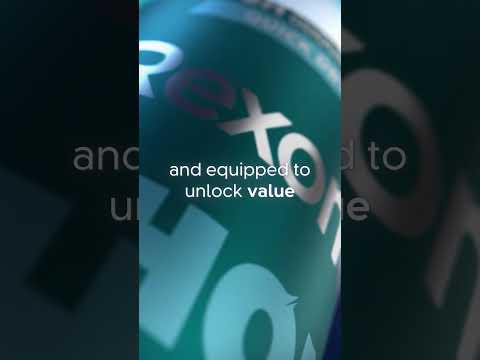
Unilever is implementing a business-wide, AI-first digital backbone through a strategic five-year partnership with Google Cloud. Operating in 190 countries and serving 3.7 billion people daily, the company leverages Vertex AI to power agentic workflows that ensure procurement quality across thousands of categories. These systems verify that suppliers meet Unilever’s strict quality and sustainability benchmarks, including in complex areas such as regenerative agriculture and sustainable packaging.
The financial impact of this digital transformation is significant. Unilever’s Customer Operations team has delivered over €1.7 billion in value through enhanced service levels and inventory reduction. By migrating to a unified cloud platform, the company can respond to market shifts with greater agility and improved data integrity, while embedding quality and compliance throughout its supply chain.
“Technology has moved to the core of value creation at Unilever,” said Willem Uijen, Chief Supply Chain and Operations Officer. “As brands are increasingly discovered and chosen in environments shaped by AI, we must lead this shift, ensuring Unilever is agile, fit for the future, and equipped to unlock value at every level of the company.”


Executives

Nicolai Martin
Board Member Responsible for Purchasing and Supplier Network
Roland Busch
President and CEO of Siemens AG

Willem Uijen
Chief Supply Chain and Operations Officer