
How UK Factory is Turning Plastic Waste Into SAF
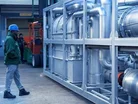
Aircraft operators can use Sustainable Aviation Fuel to meet carbon offsetting and reduction requirements, according to the International Air Transport Association. The UK has opened the world's first waste plastics to sustainable aviation fuel pilot facility in response to this option.
Clean Planet Technologies, part of the Clean Planet Group, operates the facility. The UK SAF Clearing House, funded by the UK's Department for Transport, supports the project.
Converting plastic to fuel
More than 80% of the world's plastic is never recycled, according to Clean Planet Technologies. Billions of tonnes are instead lost to the environment.
"Every day, 100,000 commercial flights depart, relying more on new fossil fuels," says the company.
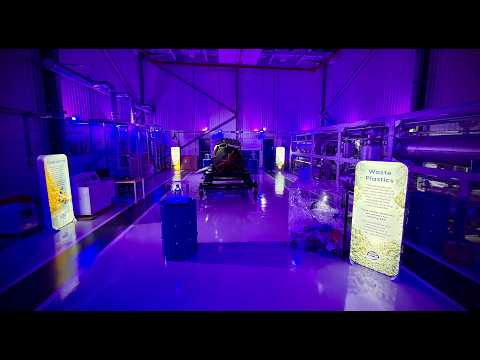
The facility opened in April 2026. It demonstrates Clean Planet Technologies' plastics-to-SAF process at pilot scale.
Waste plastics can be transformed into ultra-clean, low-carbon aviation fuel using existing aircraft and fuel infrastructure, according to Clean Planet Technologies. The process at scale supports fuel testing, validation and progression through the UK SAF Clearing House and ASTM qualification pathway.
The pilot facility could represent a step towards scaling circular, non-bio feedstocks. It could support the UK's goals for sustainable aviation and reaching net zero.
Government backing the project
Matthew Jee, Director of the UK SAF Clearing House, part of the Department for Transport, commented on the initiative.
"The UK SAF Clearing House is delighted to support Clean Planet Technologies as they move through the critical stages of fuel qualification," says Matthew.
"The testing we facilitate provides the robust evidence base that producers and industry need to build confidence, unlock investment and accelerate the deployment of new fuels."
"These awards underline the UK SAF Clearing House's commitment to working closely with innovators to scale sustainable aviation fuel production and to deliver meaningful progress towards a more sustainable aviation sector in the UK."
How the technology works
Clean Planet Technologies' SAFe Hydroprocessing Technology is a patented solution designed to address plastic waste pollution. Millions of tonnes of plastic enter marine environments each year.
Conventional recycling methods cannot efficiently process mixed or contaminated plastics. The company's process focuses on upgrading unprocessed pyrolysis oil derived from mixed plastic waste into ultra-clean, ultra-low sulphur, high-quality circular fuels.
The technology stabilises and refines raw pyrolysis oil through advanced hydroprocessing. It addresses key chemical and physical challenges such as high oxygen content, reactive unsaturated compounds, contaminants and wax formation.
The SAFe Hydroprocessing Technology offers several technical benefits. It improves the fuel product's lubricating, wax and pour properties, making it easier to transport and store.
The process reduces oxygen content, improving stability and enabling safer, more reliable storage. It removes metals and other contaminants to meet international specifications for transport fuels.
The technology reduces transport industry reliance on raw fossil fuels. It supports the circular economy through the production of circular naphtha.
All products derived from SAFe technology achieve a minimum of 70% CO₂ emission reduction following ISCC+ certification, according to Clean Planet Technologies. The process achieves considerably higher market value of the oil compared with raw or unprocessed pyrolysis oils.
The result is a premium-grade circular fuel with a reduced carbon footprint. It could work as a direct substitute for fossil-based fuels in both the transport and petrochemical industries.
Company portals

Executives

Matthew Jee
Director of the UK SAF Clearing House, part of the Department for Transport.