Can Procurement Help Top Firms Curb Plastic Pollution?
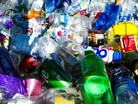
Plastic pollution represents a pressing issue globally, with annual production exceeding 400 million tonnes.
This immense output is intricately linked to procurement processes within major corporations. As plastic production escalates, so do plastic waste, volumes and associated chemicals.
Evidence from a study by Cowger et al., published in Science Advances and spanning five years of global data from 84 nations, highlights the accountability of manufacturers for plastic pollution. (Cowger et al., Science Advances).
The global impact
The research, conducted through 1,576 brand audit events between 2018 and 2022, identified nearly 1.9 million plastic items, with 909,771 traceable to specific brands.
Notably, 13 companies are responsible for more than 1% each of these branded plastics.
The top five companies— The Coca-Cola Company, PepsiCo, Nestlé, Danone and Altria— account for 24% of global branded waste.
These statistics provide a critical viewpoint on the procurement strategies by which food and beverage conglomerates, measured by volume, dominate plastic pollution globally.
Furthermore, the study indicates that 56 companies are accountable for over half of branded plastic pollution worldwide, underscoring the significant role of procurement in these corporations.
Linking production and procurement
The study reveals a direct correlation between plastic production and environmental pollution: the greater the production by a company, the more branded plastic pollutes the environment.
This is true globally, irrespective of the existing waste management systems.
The data calls for a reevaluation of procurement practices within these corporations, especially those engaging in high-production activities.
Coca-Cola, acknowledged as the most prolific of all participating companies at 11% of all branded plastic identified, underscores the importance of adapting procurement and production methods to reduce environmental impacts.
This requires effective strategies, such as label-less bottles in the UK, aimed at alleviating packaging waste and simplifying recycling logistics.
As noted by Dusan Stojankic, VP Franchise Operations, GB&I at Coca-Cola Great Britain: “Going label-less might seem like a small step, but it is one of several ways we are exploring making recycling easier, minimising waste, and minimising the impact of our packaging on the environment.”
However, such design changes must be matched with substantial production reductions.
Procurement revisions needed
The study indicates that merely voluntary measures are inadequate.
To instil a meaningful change, regulations on plastic procurement must evolve significantly. Key proposals from the study include:
- Transparent reporting: An open international database for companies to disclose packaging outputs and environmental impact.
- Design standards: Mandating labelling to track pollution sources more readily, even post-degradation.
- Production caps: Limiting the production of plastics, particularly single-use items, to prevent pollution.
- Extended Producer Responsibility (EPR): Obliging companies to invest in clean-up and recovery, enforced by governments and international bodies.
Such measures would require coordinated efforts among stakeholders, including sustainability teams and procurement departments within corporations, to transition toward more environmentally friendly practices.
As emphasised by Bea Perez, Executive Vice President at Coca-Cola, “continued collaboration, targeted investments and well-designed policies are crucial to help create shared value for all".
This systemic shift towards sustainable procurement could redefine the role of corporate leadership in mitigating plastic waste, fostering an environment conducive to genuine sustainability and responsible resource management.
Explore the latest edition of Procurement Magazine and be part of the conversation at our global conference series, Procurement & Supply Chain LIVE.
Discover all our upcoming events and secure your tickets today.
Procurement Magazine is a BizClik brand.