
Rolls-Royce and Equilibrion: Using Nuclear Energy for SAF

Rolls-Royce SMR and Equilibrion have signed a Memorandum of Understanding to explore the technical and economic viability of producing sustainable aviation fuel (SAF) using small modular reactor technology.
The partnership could represent a significant development in the procurement landscape for aviation fuel as the industry seeks alternatives to petroleum-based products.
According to the US Department of Energy sustainable aviation fuel is an alternative fuel made from non-petroleum feedstocks that could reduce air pollution from air transportation.
The collaboration between the nuclear consultancy and the SMR manufacturer aims to provide a better understanding of nuclear-powered SAF production using small modular reactors.

Nuclear technology meets fuel synthesis
The Rolls-Royce SMR is designed to provide clean, reliable, cost-competitive energy using its factory-built SMR technology. The heat and electricity produced by a Rolls-Royce SMR power station could be well suited to industrial processes, such as hydrogen production and synthetic fuel synthesis, that require steady, reliable energy inputs.
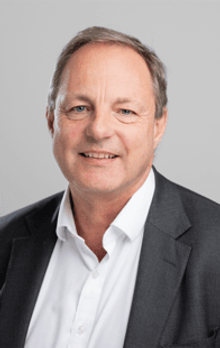
"We expect to see a lot of innovation and energy directed at creating sustainable fuel over the next 10 to 20 years and we are here to support this growth in any way we can," says Dr Dave Smith when he was Director of Central Technology at Rolls-Royce, now National Technology Adviser for the UK Government.
"Despite the challenges of affordability and scalability, we believe that Sustainable Aviation Fuels are the only solution to decarbonise long-haul aviation."
Many Rolls-Royce aircraft engines, including the Trent XWB and the Trent 7000, are already capable of operating using blended SAF. The company expects that its newer engines could potentially operate on 100% SAF and is currently carrying out testing to verify this capability.
Rolls-Royce is also helping to drive investment in sustainable fuel technologies and support their commercial viability. This includes collaboration with the public sector and the oil and gas industry to expand the availability of sustainable aviation fuels.
Commercial scale production system
Equilibrion is a UK-based project development and technology company focused on creating new commercial opportunities for nuclear energy in hard-to-decarbonise industries. Its proprietary modular system, Eq.flight, is designed to produce SAF at commercial scale while delivering lower lifecycle emissions than many alternative technologies.
Eq.flight produces e-SAF using electricity and heat through a process known as power-to-liquids. By improving overall system efficiency, Eq.flight can produce more SAF with less energy, which could enable domestic e-SAF production while supporting job creation and economic growth.
The system integrates multiple production modules that can be scaled according to energy availability and demand requirements. This modular approach allows for flexible deployment across different sites and enables production facilities to be established closer to end users, reducing transportation costs and emissions associated with fuel distribution.
"Aviation will only meet its climate commitments if SAF becomes available in large, dependable volumes," says Caroline Longman, Director at Equilibrion.
"Nuclear‑derived fuel production offers the reliability, scalability and low carbon intensity needed to deliver that future. Delivering nuclear‑enabled SAF also creates long‑term, high‑quality employment, each Eq.flight facility has the potential to generate around 10,000 skilled local jobs over its lifetime."
With support from a grant from the Department for Transport through the Advanced Fuels Fund, Equilibrion and its partners are working to deliver a UK-based demonstration of the Eq.flight system by 2030.
Meeting aviation fuel mandates
The collaboration explores how the Eq.flight SAF production system could be powered by the clean and reliable electricity generated by a Rolls‑Royce SMR power plant. Together, the technologies could have the potential to produce more than 160 million litres of SAF per year per SMR, which could meet around one third of the UK's 2040 power-to-liquids SAF target.
According to the International Energy Agency, aviation is one of the fastest growing sources of global greenhouse gas emissions, with SAF supply meeting less than 1% of global demand. According to the UK Government, the UK has targets for aviation and sustainable fuel, wanting at least 22% of aviation fuel to be SAF by 2040.
The partnership between Rolls-Royce SMR and Equilibrion represents a strategic alignment of nuclear energy capabilities with advanced fuel synthesis technology. This combination could provide a pathway to meeting increasingly stringent regulatory requirements while maintaining energy independence and security of supply for the aviation sector.
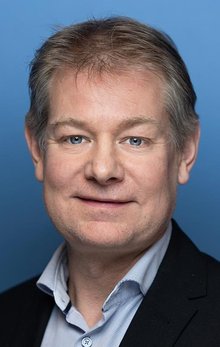
"Our SMR technology is designed to provide clean, affordable and dependable low‑carbon energy, exactly the qualities required to unlock large‑scale Sustainable Aviation Fuel production," says Alan Woods, Director of Strategy and Business Development for Rolls-Royce SMR.
To meet these goals, large volumes of low-carbon energy are required, a need that nuclear energy technology could help to meet. The memorandum aims to support national and international net zero goals, as well as strengthen energy security via domestic fuel production and create SAF availability at scale.
Company portals


Executives
Alan Woods
Director of Strategy and Business Development

Caroline Longman
Director
Dave Smith
National Technology Advisor