Sony and TSMC Bolster Sourcing for High-Tech Components

The partnership between Sony Semiconductor Solutions and TSMC could reshape procurement strategies in automotive and robotics supply chains through new production capabilities in physical AI sensors.
Sony Semiconductor Solutions and TSMC have signed a memorandum of understanding to establish production lines for image sensors at Sony's facility in Koshi City, Japan. The agreement focuses on manufacturing components for physical AI applications in vehicles and robotics.
The partnership involves potential joint venture investments. According to a press release from the companies, the investments would be phased based on market demand and support from the Japanese government.

Strategic sourcing for automotive sensors
Sony Semiconductor Solutions holds the largest market share in image sensors. The company supplies industrial applications, consumer cameras, automotive systems and mobile phones.
According to McKinsey in March 2026, the overall sensor market could reach US$45bn by 2035. The LiDAR sensor market could see exceptional growth as advanced driver assistance systems and autonomous driving adoption accelerate.
Traditional powertrain sensor demand could decrease slowly with the rise of electric vehicles. This shift could affect procurement strategies for automotive manufacturers sourcing sensor technology.
Sony's automotive cameras function as "eyes of vehicles" for enabling automotive systems to monitor peripheral conditions and grasp the presence of obstacles. The technology has applications in Advanced Driver Assistance Programmes and automated driving systems.
Joint venture investment structure
The companies intend to establish a joint venture for development and production lines at Sony's newly constructed fab in Koshi City, Kumamoto Prefecture. Sony would function as the majority and controlling shareholder under the proposed partnership.
The investments under discussion include new capital investment by Sony in its existing plant in Nagasaki. Implementation would occur in phases on the premise of market demand and Japanese government support.
TSMC Senior Vice President and Deputy Co-COO Dr Kevin Zhang says, "Sony has been our long-time partner in the CMOS image sensor business. We are excited to elevate our collaboration to the next level, which represents a key step forward in driving future sensing technology in the AI era.
"This partnership underscores our shared commitment and mutual vision of leveraging cutting-edge technologies and innovative solutions to deliver leading sensing technology and products. We look forward to working closely together to achieve impactful results and create lasting value for all stakeholders."
Supply chain partnerships in Japan
The companies have previously partnered on TSMC's chip plant in Japan. The new agreement extends this relationship into image sensor manufacturing.
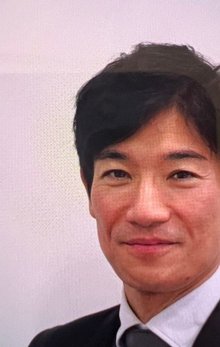
Sony Semiconductor Solutions CEO Shinji Sashida says, "This joint venture is a significant initiative that brings together the strengths of both companies and aims to drive further advancement in technology and business within the next-generation image sensor field."
The partnership seeks to explore and address emerging opportunities in physical AI applications. The automotive and robotics sectors are the primary targets for the collaboration.
According to the companies, the collaboration could enable future innovations and expanded technological advancements. The arrangement could affect how automotive and robotics manufacturers structure their sensor procurement.
Shinji says, "Building on the trust cultivated through our long-standing collaboration with TSMC, I am delighted that we have reached an agreement to advance our partnership to a new stage. Building on this joint venture, Sony intends to further strengthen its business operations with a focus on creating high added value. Rooted in the Sony Spirit that has guided us since our founding, we intend to continue to take on the challenge of creating new markets through unprecedented ideas and distinctive technologies."
Company portals



Executives
Kevin Zhang
Deputy Co-COO and SVP
Shinji Sashida
Executive Vice President Senior GM