Kearney: Are CFOs Prioritising Sustainable Investments?

CFOs are increasingly placing sustainability at the heart of financial decision-making, challenging the perception that economic uncertainty is slowing climate commitments.
A recent survey of 500 CFOs across the UK, US, UAE and India, conducted by management consultancy Kearney and climate action platform We Don’t Have Time, reveals that sustainability remains a key priority for corporate finance leaders.
Despite global economic headwinds and regulatory challenges, the majority of CFOs plan to increase their investments in sustainability, with many viewing it as a core business strategy rather than an optional expense.
“For months, we've seen headlines about companies walking back climate commitments," says Ingmar Rentzhog, CEO and Founder of We Don't Have Time. "But a new global survey of 500 CFOs tells a very different story."
Investing in immediate impact and compliance
Rather than focusing on distant net zero goals, CFOs are directing capital towards sustainability initiatives with tangible short-term benefits.
The report highlights that 92% of CFOs plan to increase sustainability investments, with more than half committing to significant increases. This trend aligns with the broader push for immediate emissions reductions by 2030, rather than long-term targets set for 2050.
Key areas of investment include sustainable materials, energy management, waste reduction and sustainable partnerships. These efforts not only reduce environmental impact but also improve operational efficiency and cost savings.
The financial case for sustainability is strengthening as companies see direct returns from reduced energy consumption and improved supply chain resilience.
Compliance with ESG regulations remains a major driver of investment. As regulatory frameworks tighten across markets, businesses are ensuring they remain compliant to avoid financial penalties and maintain investor confidence.
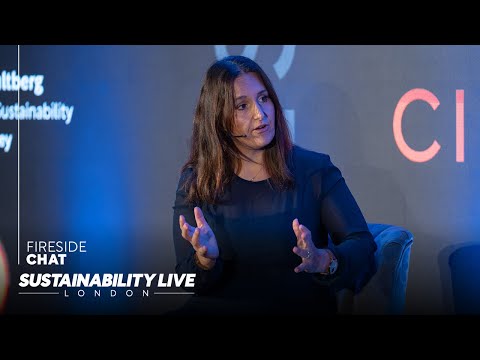
“With a slowing global economy, rising geopolitical tensions, and increasing extreme weather events, are CFOs still investing in sustainability?” asks Angela Hultberg, Global Director of Sustainability at Kearney. “What better way to find out than to ask them directly.”
Sustainability as a driver of long-term value
CFOs increasingly recognise that sustainability is not just about mitigating risk—it’s a driver of business value.
The report finds that 93% of CFOs see a clear business case for sustainability investments and 69% believe these investments will deliver higher returns than traditional business strategies.
However, financial concerns remain. While the optimism around sustainability is clear, 61% of CFOs still view these investments as a cost rather than a value creator. The challenge lies in reframing sustainability as a long-term financial opportunity rather than a short-term expense.
The risk of inaction is also becoming a financial consideration. The report finds that 65% of CFOs already measure the financial cost of failing to transition to sustainable business practices, rising to 75% among US-based CFOs.
As businesses navigate regulatory shifts, supply chain disruptions and changing consumer expectations, sustainability is becoming embedded in financial risk assessments.
Sustainability shaping corporate finance strategies
Beyond operational investments, CFOs are integrating sustainability into wider financial strategies.
The report finds that 94% of CFOs now consider sustainability in overall investment decisions and 71% factor it into employee retirement fund selections. This signals a shift towards embedding sustainability into the financial structures that shape corporate growth.
Businesses are also leveraging financial tools such as green bonds and sustainability-linked loans to support their sustainability commitments. These mechanisms help align financial incentives with climate goals, encouraging long-term investment in sustainable initiatives.
The growing role of CFOs in sustainability marks a significant transformation in corporate finance. Their influence extends beyond individual companies, shaping investment trends across industries and reinforcing the transition to a low-carbon economy.
A financial imperative for the green transition
Despite economic challenges, CFOs are demonstrating a commitment to sustainability that extends beyond compliance. They are integrating sustainability into financial frameworks, aligning investment strategies with climate goals and recognising the business value of green initiatives.
“When done right, sustainability is good for business,” says Beth Bovis, Global Lead for Sustainability at Kearney.
“Kearney's survey of CFOs shows that even with changing political winds, investing in sustainability advances business goals.”
The survey’s findings suggest that businesses are not merely responding to regulatory pressure but actively embedding sustainability into long-term financial planning.
As corporate finance leaders continue to drive sustainable investment, their role in shaping the global transition to a greener economy is becoming increasingly clear.
Explore the latest edition of Procurement Magazine and be part of the conversation at our global conference series, Procurement & Supply Chain LIVE.
Discover all our upcoming events and secure your tickets today.
Procurement Magazine is a BizClik brand.