
How Procurement Fuels Vital World Environment Day Action

Procurement teams hold substantial influence over organisational climate impact through purchasing decisions made across supply chains, energy contracts and infrastructure projects. World Environment Day, observed annually on 5 June, shows how these choices shape ecosystems and species in today's atmosphere.
According to the International Organization for Migration, climate change is reshaping lives in areas where procurement operates: where people live, how they earn a living and whether they can stay in their current locations. This year's theme, Climate Action, examines the impact climate change has on global ecosystems and the environment, as well as mitigation, restoration and prevention methods.
Procurement professionals can influence these outcomes through supplier selection criteria, renewable energy purchasing agreements and specifications for sustainable materials and services.
Supplier engagement for emissions reduction
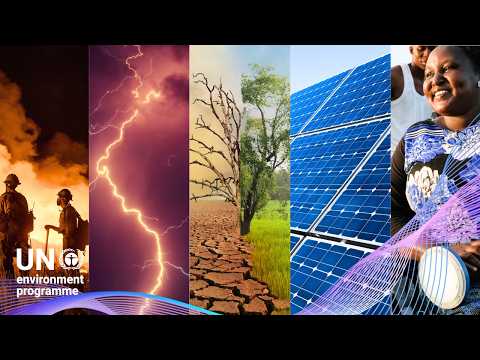
Climate change is already affecting the planet, with rising temperatures, changing rainfall patterns and increasing sea levels. These changes are contributing to more frequent and severe heatwaves, floods, droughts and wildfires, while also impacting food production, water supplies, ecosystems and human health.
Many species face a greater risk of extinction, and some communities may be forced to relocate as environmental conditions worsen. According to the UK Met Office, reducing GHG emissions as quickly as possible can help limit the severity of future climate change impacts.
Procurement teams can address these challenges by requiring suppliers to disclose carbon footprints, setting emissions reduction targets in contracts and prioritising vendors with verified environmental management systems. The United Nations Environment Programme (UNEP) states that acting on climate change could help to prevent millions of deaths and trillions in economic losses by 2025.
The annual event has become one of the world's largest platforms for environmental outreach, involving millions of people, thousands of organisations and more than 150 governments.
"This World Environment Day, warning signals are everywhere. The past eleven years have been the eleven hottest on record," says António Guterres, Secretary General of the United Nations, in the 2026 World Environment Day message.
"And the damage goes far beyond rising temperatures: from polluted air to degraded land, collapsing ecosystems and vanishing biodiversity. Harming health, destroying homes and deepening hunger. The world is heading for a temporary overshoot above 1.5 degrees.
"Every fraction of a degree brings greater harm, especially to the most vulnerable.
"Our task is to make that overshoot as small, as short and as safe as possible, and rapidly bring temperatures back down. That means slashing emissions. Accelerating a just transition away from fossil fuels and towards renewables, the only sustainable path to lower costs and to real energy security. Cutting methane, one of the fastest, cheapest ways to limit near-term warming.
"Protecting forests, land and seas. Helping communities adapt to the devastating impacts already here. And it means fulfilling climate finance promises to developing countries, to save lives, protect livelihoods and strengthen economies.
"This is the moment to act, for our environment and for our future."
Procuring green infrastructure assets
According to UNEP, sustainable buildings reduce energy consumption, support resilient economic growth and help cities address climate challenges. Procurement specifications for construction projects, facilities management contracts and building materials can embed these sustainability requirements from project inception.
Clean energy and electric mobility are expanding rapidly, with solar and wind power now surpassing coal in some markets, marking a shift toward a cleaner energy future. Procurement teams can accelerate this transition through renewable energy purchasing agreements and specifications for electric vehicle fleets.
Green infrastructure, such as urban forests and parks, cools cities, improves quality of life, reduces flooding and can lower urban temperatures by up to four°C. Procurement professionals can include these nature-based solutions in infrastructure tenders and landscaping contracts.
"Continuity of operations has been a government and business imperative since the dawn of civilisation. Today, resilient infrastructure is the absolute key to the continuity of society itself," says Chris Bradshaw, Chief Sustainability & Education Officer at Bentley Systems.
"Yet, that continuity is under unprecedented threat. While accelerating climate change and extreme weather remain the ultimate stress tests for our built environment, they are now compounded by ageing legacy systems and cyber vulnerabilities.
"This World Environment Day is a stark reminder that climate resilience is an infrastructure necessity and a merely reactive approach is no longer an option.
"We must anticipate climate and operational disruption before it strikes. By combining deep engineering expertise with digital intelligence, we can build and better manage physical infrastructure networks that actually endure. The leaders who embrace data-driven resilience today will be the ones safeguarding our environment and essential services tomorrow."
Renewable energy purchasing strategies
Climate action is not only an environmental necessity but also an economic opportunity, driving growth, jobs and investment. Procurement teams are positioned to capture these benefits through strategic purchasing decisions that balance cost, performance and environmental impact.
"World Environment Day highlights the growing importance of how infrastructure choices shape environmental impact," says Nicolas Frapard, Senior Director and Regional Lead, EMEAI at WD.
"It is a timely moment to consider how AI is fundamentally changing what we ask of our infrastructure. Today, the scale, speed and persistence of data on storage are all impacted. That brings enormous opportunity, as well as responsibility.
"The IEA projects that data centre electricity consumption will double by 2030, driven largely by AI workload growth. The industry response cannot be limited to renewable energy commitments alone. It calls for a deeper focus on the infrastructure itself and storage is a meaningful place to start.
"World Environment Day also reinforces that sustainability is not separate from innovation. It is embedded within it. The most responsible infrastructure decisions are increasingly the most effective ones. The role of technology leaders is to ensure customers have the tools to grow AI capabilities while reducing their environmental footprint at the same pace."
Procurement teams purchasing data centre services, cloud computing contracts and IT infrastructure can specify renewable energy requirements and energy efficiency standards. By transitioning away from fossil fuels in a just, orderly and equitable manner and investing in climate resilience, organisations can build a healthier, greener and more prosperous future.
Sustainable sourcing from natural systems
UNEP states that "healthy ecosystems absorb carbon, regulate water and protect communities." Procurement decisions around raw materials, agricultural products and natural resource extraction can protect or degrade these systems.
Forests, wetlands, peatlands, oceans and other ecosystems help regulate the Earth's climate by absorbing and storing vast amounts of CO₂. Procurement specifications for timber, paper, agricultural commodities and seafood can require certification schemes that protect these carbon sinks.
For example, coastal ecosystems like wetlands, mangroves, coral reefs, oyster reefs and barrier beaches all provide natural shoreline protection from storms and flooding in addition to many other services. Procurement teams can support restoration projects through purchasing decisions and supplier requirements.
According to the European Commission (EC), terrestrial and marine ecosystems currently absorb roughly half of human-generated carbon emissions, making them essential natural carbon sinks. Procurement policies that protect these systems can maintain this capacity.
Forests play a role in the carbon cycle by capturing CO₂ through photosynthesis and storing it in biomass, deadwood, litter and soils. According to the United Nations Economic Commission for Europe, when carbon sequestration exceeds carbon release from natural processes or human activities such as deforestation and wildfires, forests act as both carbon reservoirs and tools for removing additional carbon from the atmosphere.
Beyond carbon storage, healthy ecosystems increase resilience to climate impacts by reducing flood risks, protecting coastlines from storms, improving water security and cooling urban areas. Procurement teams can embed ecosystem protection requirements in supplier contracts and material specifications.
However, climate change, biodiversity loss and ecosystem degradation are weakening nature's ability to provide these services. The EC states that restored natural shorelines with seagrass beds or mangroves form a buffer against storm surges and create nurseries for fisheries.
Protecting groundwater recharge zones or restoring flood plains, securing water resources so that entire communities can cope with drought. Procurement professionals can support these outcomes by selecting suppliers with verified environmental practices and requiring sustainable sourcing certifications across supply chains.
Conserving and restoring forests, wetlands and other natural habitats is a cost-effective and sustainable way to mitigate climate change while supporting biodiversity, human wellbeing and long-term environmental resilience. Procurement decisions made today will determine whether these natural systems continue to provide climate regulation services for future generations.





Executives

António Guterres
Secretary General

Chris Bradshaw
Chief Sustainability and Education Officer

Nicolas Frapard
Senior Director Sales & Marketing EMEAI