How DP World Southampton is Reaching Operational Net Zero
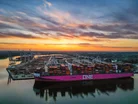
DP World's container terminal in Southampton is scheduled to achieve operational net zero emissions in 2025.
As a critical link in the supply chain, the terminal has already achieved an 87% reduction in its Scope 1 and 2 greenhouse gas emissions in 2024 compared to 2021, certified by LRQA. The journey towards this environmental milestone has been marked by strategic choices impacting procurement processes significantly.

In 2022, the port became the first in the UK to completely eliminate fossil diesel from its supply chain operations, replacing it with Hydrotreated Vegetable Oil (HVO), a biodiesel that has reduced net carbon dioxide emissions by over 80% and improved local air quality.
This move aligns with broader trends in procurement where sustainable alternatives are prioritised to meet regulatory and environmental standards.
Decarbonisation and strategic procurement
Operational Net Zero represents a balance in greenhouse gas emissions resulting from Scope 1 and 2 activities and emissions removal or offsetting measures.
As DP World continues on this path, the procurement of green technologies and carbon credits has become an integral part of its decarbonisation strategy.
This strategy aligns with global GHG reduction targets and standards set forth by international bodies like the Paris Agreement and Science Based Targets initiative.
The procurement policies at DP World emphasise the necessity of selecting suppliers that can meet sustainability criteria and contribute to the organisation's emissions reduction efforts.
Innovative Approaches in Energy and Operations
Using 2021 as a benchmark, DP World Southampton has crafted a thorough five-year decarbonisation plan centring on energy efficiency, operational innovation and strategic offsetting. This includes a significant increase in renewable energy use and innovative low-carbon operational practices—key factors in procurement decisions that influence the nature of energy sources and tools acquired.
The terminal’s plan to retire high-quality carbon credits, compliant with ISO 14068, for residual emissions, further underscores the role that financial instruments and carbon markets play in procurement strategies aimed at offsetting unavoidable emissions and achieving net zero status.
Building momentum with verified data
DP World Southampton’s commitment to verifiable, transparent emissions data plays a crucial role in maintaining trust and ensuring accountability.
Procurement functions are tasked with securing verifiable offsets and technologies that adhere to ISO standards, reinforcing confidence among stakeholders in the port's sustainability claims.
The broader ambition extends to a 28% reduction in Scope 3 supply chain emissions by 2030 and total net zero by 2050, highlighting the essential role that sustainable procurement will play in reaching these targets. With projects like the Modal Shift Programme and trials for Carbon Inset Programmes, procurement is reframed as a strategic avenue to support comprehensive sustainability goals.
John Trenchard, Vice President - Commercial & Supply Chain at DP World in the UK remarks: "At DP World, we are committed to reducing our environmental impact and offering our customers lower carbon options for their supply chains. I'm incredibly proud of the achievements at our Southampton port, a true team effort."
In its pursuit of environmental stewardship, DP World has introduced initiatives such as a 'green' charge for older trucks and collaborations with organisations like the Hampshire Wildlife Trust.
These measures exemplify how procurement extends beyond transactional functions to foster broader societal benefits, including the holistic improvement of urban ecosystems and the mitigation of local pollution.
The drive towards full electrification seen in DP World’s London Gateway investments further emphasises a commitment to reducing the carbon footprint throughout the supply chain. As procurement strategies continue to evolve, DP World’s sustainable procurement practices serve as benchmarks for the industry, advocating for a future where economic activities harmonise with ecological imperatives.
Explore the latest edition of Procurement Magazine and be part of the conversation at our global conference series, Procurement & Supply Chain LIVE.
Discover all our upcoming events and secure your tickets today.
Procurement Magazine is a BizClik brand