WHO: How Procurement Builds Resilient Global Vaccine Chains
A report from the World Health Organization (WHO) highlights a high concentration in the global vaccine market, with just 10 manufacturers producing 78% of all doses. The consolidation presents a complex challenge for procurement leaders globally.
The 2025 Global Market Landscape of Vaccine Manufacturing and Procurement report suggests that complete vaccine self-sufficiency for any single country is unattainable, meaning reliance on a globalised and interconnected supply chain is a necessity for immunisation programmes.
From a procurement standpoint, no single country can meet its immunisation needs using only vaccines produced within its borders.
The WHO data shows that nations in all regions purchase vaccines that have production stages located across multiple continents, creating complex logistical chains for procurement teams to manage.

Navigating global supply chain interdependence
The WHO report details how all regions are interdependent for vaccine supply. This interdependence requires careful management of cross-continental supply chains.
For example, vaccines manufactured in the WHO European Region and the WHO Region of the Americas often involve production steps across both territories, making them deeply interconnected.
The report notes that while domestic manufacturing capacity can bolster a country’s supply security, it does not guarantee it during emergencies. True security, a key objective for procurement, depends on the availability of raw materials and capacity across all manufacturing stages.
Ensuring the availability of raw materials and capacity for all stages of manufacturing is needed to ensure supply security during health emergencies, a critical consideration for any procurement risk assessment strategy.
Production technologies and capacity bottlenecks
Technological capability creates further procurement hurdles. The majority of vaccine producers rely on traditional platforms such as live attenuated or inactivated viruses. Innovative technologies like messenger RNA (mRNA) are predominantly located in the United States and Europe, creating a limited supplier base for these advanced vaccines.
According to the WHO, intellectual property complexity and high upfront R&D costs are primary bottlenecks for manufacturers in other regions.
Furthermore, downstream processes can create choke points. While vials are the main container used for vaccines, fewer than half as many producers have the capability to fill into pre-filled syringes, creating a niche for technologically advanced facilities.
The report says that supply security will require investments in Drug Substance (DS) production, not just fill-finish capacity.
Strategic financing to diversify the supplier base
Initiatives are underway to reshape the market and build a more resilient supplier ecosystem, particularly in Africa which relies on other WHO regions for 99% of its vaccine supply.
The Platform for Harmonized African Health Products Manufacturing (PHAHM) aims to reduce this reliance to 40% by 2040. A key instrument in this strategy is AVMA, a financing instrument from the vaccine alliance Gavi.
AVMA employs a 'pull financing' model, using downstream incentives to help manufacturers manage initial production costs and encouraging new players into the market. More than US$9bn is committed to Gavi for 2025 from partners including the European Commission and the Gates Foundation.
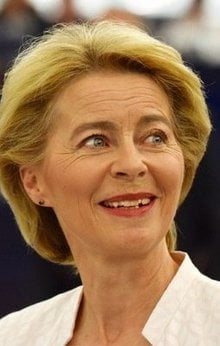
Ursula von der Leyen, President of the European Commission, said: "Investing in health is investing in our shared future. Our work with Gavi saves lives. Millions still need this vital protection.”
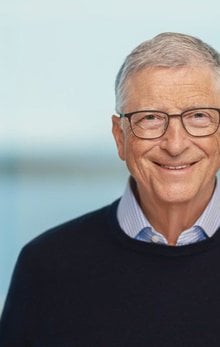
Bill Gates, Chair of the Gates Foundation, adds: “In a constrained budget environment, it’s even more important to focus aid funding on the investments that really work. And Gavi is exactly that. I don’t know of anything with a higher impact per dollar in terms of saving and improving lives.”
These financing mechanisms are crucial for diversifying the global manufacturing landscape, offering procurement professionals a broader and more secure future supplier base.
Company portals
Executives
Bill Gates
Chair
Ursula von der Leyen
President