
The Nuclear Deficit: What Energy Procurement Needs to Know
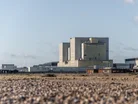
Britain's nuclear capacity has fallen by half over ten years, creating a gap that gas generation now fills despite record renewable output.
According to the Department for Energy Security and Net Zero (DESNZ), the UK generated 52.5% of its electricity from renewables in 2025. This marked the second year above the 50% threshold.
Nuclear generation fell 12% to just 35.9 TWh last year. That figure represents roughly half the output recorded a decade earlier.
Gas generation rose 4.7% to 91.6 TWh, making it the single largest source of electricity on the grid at a 31.5% share. Wind came in second at 30%.
Total fossil fuel generation rose 2% on the year. Gas drove almost all of that increase.
The baseload problem
Renewable sources expand but their output varies with weather conditions rather than demand patterns. Nuclear power can provide consistent baseload supply around the clock, similar to gas.
The UK's ageing nuclear infrastructure has been losing that capacity. Older plants have been decommissioned and unplanned outages have mounted across those still operating.
Gas has filled the void. This could show that the UK lacks alternatives that can respond at scale and at short notice, rather than a preference for fossil fuels.
John Haw, Chief Executive Officer of energy procurement firm Fidelity Energy, described the challenge: "The record renewable figures are genuinely impressive, but they're masking a problem.
"Every time a nuclear plant goes offline for maintenance or decommissioning, gas turbines spin up to compensate.
"We're building a clean energy system on top of a baseload void, and until that void is filled (whether by new nuclear, grid-scale storage or something else) gas isn't going anywhere."
The final quarter of 2025 illustrated the pattern at its most acute. Nuclear output fell 13% in Q4 to just 8.3 TWh as outages continued.
Analysts expect this pattern to persist as the existing fleet approaches the end of its operational life.

Price volatility for businesses
Increased gas use creates environmental consequences but also contributes to price volatility. British consumers have experienced this with energy providers in recent years.
These price fluctuations affect businesses as well.
"What this means for businesses is that wholesale electricity prices remain far more gas-exposed than the renewable headline figures suggest," John explains.
"A company that thinks the grid is now 'mostly green' and therefore stable may be in for a rude awakening the next time gas prices spike," he adds.
Energy procurement strategies built on the assumption of a steadily decarbonising grid could be underpricing risk. Businesses may not be accounting for the baseload gap.
New nuclear capacity
Most analysts and the UK Government agree that building more nuclear power plants across the country could provide the answer.
Hinkley Point C, the EDF-led plant under construction in Somerset, is not expected to generate electricity until the late 2020s at the earliest. The project's costs and delays have had political commentators like Sara Stefanini describing it as a "headache" for around a decade now.
The Labour government has moved to back small modular reactors as a faster and potentially cheaper route to new nuclear capacity. GB Energy struck deals with Rolls-Royce SMR for a series of installations in North Wales.
The approach recognises that the traditional model of large-scale nuclear construction carries risks. These have proven difficult to manage in the British context, even though they are still pursued at sites like Hinkley and Sizewell.
France generates around 70% of its electricity from nuclear power. The French fleet was built over decades of consistent state investment that now gives it some of the lowest-carbon and most stable electricity prices in Europe.
Whether small modular reactors can deliver at the pace and scale the UK needs remains an open question. According to DESNZ, the numbers from 2025 are a reminder that the transition still has a long way to go.
Company portals




Executives

John Haw
CEO