
Why Siemens Selected Kuehne+Nagel for Fleet Electrification
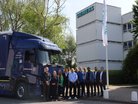
Siemens has initiated a new project with its logistics partner Kuehne+Nagel to introduce electric heavy goods vehicles (eHGVs) to its UK operations.
The initiative will begin at Siemens' factory in Congleton, Cheshire, where the new eHGVs are set to replace the existing diesel-powered fleet.
The fleet is planned to operate on a "milk run" model. This logistics strategy involves a single lorry making collections or deliveries at multiple locations along a predefined route enhancing efficiency.
The selected vehicles possess a range of 400km and the capacity to transport loads up to 44 tonnes. Following this initial pilot, the two companies may look to expand the model across Siemens' other UK facilities and logistics networks.
Emissions reduction and operational viability
Siemens anticipates that each electric lorry route will eliminate approximately 12 tonnes of CO₂e per year. This pilot programme will serve as a test case for the wider application of electrification within Siemens' logistics operations.
It aims to determine if electric vehicles can be integrated into real-world industrial logistics without affecting delivery schedules or operational performance.
Rob Matthews, who is Managing Director of Siemens Congleton, describes the project as a strategic re-evaluation of Siemens' logistics rather than a simple vehicle upgrade.
"This partnership represents a meaningful change in how we approach logistics and sustainability," he says.
"By introducing electric heavy goods vehicles into our operations at Congleton we are not only reducing emissions but also rethinking how we deliver efficiency and resilience across our supply chain."
For Rob, rhe initiative's success will depend on achieving a balance between advancing sustainability and maintaining the high operational standards that Siemens' partners and customers expect.
"This is a clear example of how collaboration and technology can accelerate the transition to a low-carbon economy while continuing to support the industries and communities we serve," he explains.
Advancing low-emission logistics
The move is seen by partners as part of a broader industry transition toward low-emission transport.
Rob Palmer, Commercial Director at Kuehne+Nagel, views the project as a necessary step forward championed by industry leaders.
"We're proud to partner with Siemens in accelerating the transition to low-emission transport across their operations," he explains.
"It's inspiring to see industry leaders like Siemens championing the adoption of electric trucks – setting a powerful example for how the UK can scale low-emission logistics."
This collaboration builds on a long-standing logistics relationship between Siemens and Kuehne+Nagel providing a foundation of trust for navigating the deployment of new technologies.

Integrating logistics into a sustainability framework
The Siemens factory in Congleton has a history of environmental initiatives.
The site, which specialises in low-voltage variable speed drives and power electronics produces controls and drives that often feature the EcoTech label. This marker signifies the use of sustainable materials and adherence to circular design principles.
The facility also generates 75kW of renewable electricity from the Havannah Weir Hydro Scheme which was developed with Dane Valley Community Energy.
This project harnesses the River Dane to supply power directly to the Congleton site through a kilometre-long underground cable. The eHGV deployment is a component of Siemens' broader DEGREE Framework which embeds sustainability into all aspects of product and process development.
While the 400km range of the eHGVs is effective for the regional distribution network serving Congleton scaling this model for longer-haul routes presents challenges.
The availability of charging infrastructure is inconsistent and for certain applications payload-to-range calculations still favour diesel engines. The projected annual CO₂e reduction of 12 tonnes from a single route may appear modest.
However if the pilot is successful and the model is replicated across multiple routes and sites the cumulative emissions cuts could be substantial.
Company portals

Executives
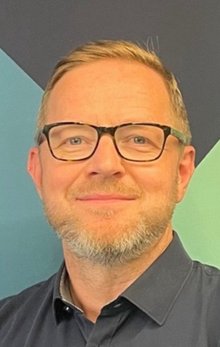
Rob Matthews
Managing Director of Siemens Congleton

Rob Palmer
Commercial Director