How Reverse Logistics Could Reduce Supply Chain Waste

According to a report from the online retail association IMRG, 25% of all consumers return between 5% and 15% of the items they purchase via online channels.
This volume of returns could present a significant challenge for procurement and supply chain departments as many retailers currently lack the capacity or the ability to manage this influx. This could result in products being discarded rather than being integrated back into the circular economy through reselling or recycling.
To support companies in managing the increasing volume of returned goods, AIT Worldwide Logistics provides reverse logistics solutions. This involves the process of moving discarded goods and packaging from the consumer back up the supply chain.
By implementing these processes, businesses could have the opportunity to recapture the value of goods or ensure the correct disposal of materials.
Through this structured recovery, goods can be recycled, remanufactured, refurbished, reused or resold which could improve the overall sustainability of the procurement cycle.

Supporting circular economy goals
AIT Worldwide Logistics offers reverse distribution services that aim to help its customers streamline the recovery of product and packaging waste.
As a global organisation, AIT Worldwide Logistics remains committed to minimising waste and providing asset recovery solutions that are cost-effective for its partners. For example, a team based in Phoenix, Arizona is currently partnering with a global beverage client to assist in the management of damaged or returned coolers.
The process involves AIT Worldwide Logistics transporting end-of-life or broken coolers to a dedicated warehouse. From this point, the items are sent to specialised recycling centres for decommissioning, recycling and repairs.
Since the inception of this specific programme, the Phoenix team has delivered 678 coolers to recycling facilities. This initiative supports the sustainability goals of the customer’s supply chain by ensuring materials are handled responsibly.
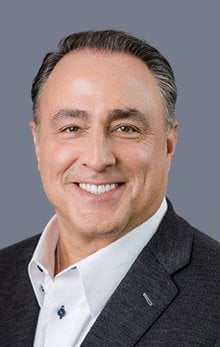
In the company’s 2025 Sustainability Report, Vaughn Moore, Chairman and CEO at AIT Worldwide Logistics, says: “We continue to make progress towards integrating sustainability into our operations while understanding its vital role in the company’s long-term success in addition to the wellbeing of the communities we serve.”
Integrating sustainable logistics solutions
The leadership at AIT Worldwide Logistics suggests that global logistics providers occupy a unique position to drive change across supply chains.
Vaughn adds: “As a global logistics provider, we recognise our unique position to drive meaningful change across our supply chains.”
Vaughn further noted that over the last year, the company made progress towards sustainability goals by purchasing sustainable fuels, expanding its electric vehicle network and establishing new industry partnerships. Chelsea Lamar, AIT Worldwide Logistics’s Vice President, Global Sustainability, is responsible for spearheading these environmental initiatives.
Chelsea’s role involves helping the company work towards net zero emissions goals through collaboration with a diverse range of customers and stakeholders.
The work led by Chelsea includes the implementation of various logistics transportation solutions such as electric semi-tractors, sustainable aviation fuels, marine fuels and route optimisation technologies. Chelsea aims to take a collaborative approach across the supply chain to create an environmental impact that also brings tangible business value.
Driving cross sector collaboration
With a degree in Environmental Engineering from Iowa State University and 15 years of experience in climate and energy, Chelsea focuses on the importance of industry-wide cooperation. Chelsea says: “At AIT, we believe collaboration across industries is essential to drive meaningful change. By partnering with global networks and sharing best practices, we aim to accelerate progress toward a more sustainable future for all.”
This perspective highlights how procurement leaders could benefit from sharing strategies to reduce the environmental footprint of their logistics operations.
Chelsea will be sharing further insights at Sustainability LIVE: The US Summit in April 2026, which is co-located with Procurement & Supply Chain LIVE: The US Summit.
She is scheduled to participate in the Global Decarbonisation Strategies panel, which will explore different pathways across energy, transport, manufacturing and finance.
The discussions will focus on scaling clean technologies and advancing regulation to support sustainable growth. By aligning global actions and taking decisive steps, organisations could reduce emissions while maintaining their operational success. The event in Chicago will provide a platform for sustainability experts to discuss how global alignment can support the long-term health of the supply chain.
Secure your tickets to hear from Chelsea at Sustainability LIVE: The US Summit in Chicago.
Company portals
Executives
Chelsea Lamar
Vice President, Global Sustainability
Vaughn Moore
Chairman and CEO