Microsoft and Alaska Airlines Help Unlock E-Fuel Supply
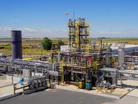
A partnership between Microsoft, Alaska Airlines and industrial firm Twelve has resulted in the opening of a commercial-scale synthetic e-fuel plant in Washington state.
The facility could demonstrate how corporate procurement strategies enable emerging clean technology suppliers to secure project finance.
AirPlant One, located in Moses Lake, produces low-carbon jet fuel using captured carbon dioxide, water and renewable electricity. According to Twelve, the fuel delivers up to 90% lower lifecycle CO₂ emissions than conventional jet fuel.
The synthetic aviation fuel works as a drop-in replacement compatible with existing aircraft and infrastructure. It meets technical specifications without requiring modifications to current aviation systems.

Procurement commitments reduce supplier risk
In 2022, Microsoft and Alaska Airlines agreed to purchase the plant's future fuel output before construction began. This offtake agreement enabled Twelve to reduce project risk and secure the funding needed to begin building the facility.
Alaska Star Ventures, the investment arm of Alaska Airlines, participated in Twelve's US$645m funding round. Microsoft contributed through its Climate Innovation Fund.
The procurement structure could show how large corporate buyers enable suppliers to access capital markets for infrastructure projects. Traditional project finance models often struggle with emerging technologies that lack established demand signals.
Dual benefits for corporate travel emissions
Microsoft states that the investments will help reduce emissions from its business travel operations. Melanie Nakagawa, Chief Sustainability Officer at Microsoft, emphasises that progress on climate and sustainability relies on collaborations such as this.
"Our investment in Twelve helps scale energy solutions while laying the groundwork for cleaner aviation at a global scale," says Melanie. "We look forward to sourcing future gallons of Washington-produced SAF to help reduce our business travel emissions."
Alaska Airlines, in partnership with Microsoft, will operate regular domestic flights using AirPlant One's E-Jet fuel.
Supply chain diversification motives
Ryan Spies, Alaska Airlines' Managing Director of Sustainability, says the partnership demonstrates how collaboration can advance sustainable aviation fuel whilst creating jobs, diversifying fuel supply chains and strengthening energy security.
"As Seattle's hometown airline, we are committed to supporting in-state production of sustainable aviation fuel, which is currently the best technology for the airline industry to reach net-zero carbon emissions," says Ryan.
The domestic production location could reduce exposure to international supply chain disruptions. AirPlant One's sustainable jet fuel is also supplied to other commercial aviation partners.
Pricing stability through energy procurement
According to Twelve, the plant can offer airlines a more stable pricing framework compared to conventional jet fuel. Prices are set by long-term power purchase agreements for the renewable energy used in the production process.
Traditional jet fuel remains exposed to crude oil market volatility. The alternative pricing model could appeal to procurement teams seeking cost predictability.
"We broke ground on AirPlant One with a simple thesis: that the fuels powering the global economy could be made from renewable electricity and air, anywhere in the world," adds Nicholas Flanders, Co-Founder and CEO of Twelve.
The facility also produces E-Naphtha, an e-chemical derived from CO₂, water and renewable energy. E-Naphtha can substitute conventional materials in products such as plastics, packaging, solvents and synthetic fibres.
Twelve has provided E-Naphtha solutions to manufacturers including Mercedes-Benz, PANGAIA and Procter & Gamble.
Company portals

Executives
Melanie Nakagawa
Chief Sustainability Officer