IEA: Resilience Key to Navigating Energy Volatility
The global energy landscape experienced a historic transformation in 2025.
According to the International Energy Agency's Global Energy Review 2026, published in March 2026, solar power contributed the largest single share of global energy demand growth for the first time on record. Solar alone met more than a quarter of the world's additional energy needs, a milestone that would have seemed implausible in 2015.
Global energy demand grew by 1.3% in 2025, representing a notable slowdown from the 2% recorded in 2024. This deceleration was attributed to a combination of cooler temperatures in key markets, modest improvements in energy efficiency and slower economic expansion in some energy-intensive sectors.

Solar generation hits record levels
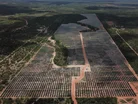
Solar generation rose by 600TWh in 2025, marking the largest single-year increase ever recorded for any electricity source outside of post-crisis recovery periods. This growth alone covered roughly 70% of the global increase in electricity generation.
The scale of solar's expansion reflects both falling costs and supportive policy frameworks across major markets. Utility-scale solar installations dominated the growth, though rooftop solar continued to expand rapidly in residential and commercial sectors.
Manufacturing capacity for solar panels also reached unprecedented levels during the year, with global production capability now exceeding annual deployment by a considerable margin. This oversupply has driven prices down further, making solar increasingly competitive even without subsidies in many markets.
However, the broader picture remains more complex than solar's success suggests. Coal remained the largest single source of electricity worldwide in 2025, still accounting for 34% of global generation. Global energy-related CO₂ emissions rose again, reaching a new record of nearly 38.4 billion tonnes, up 0.4% on the previous year. Natural gas was the biggest contributor to that emissions increase, responsible for around 85 million tonnes of the 185 million tonnes rise in combustion-related CO₂.
Regional demand patterns diverge
The US bucked a decade-long trend in a way that could unsettle climate advocates. Energy demand in the country rose by more than 2% in 2025, the second fastest increase since 2000, excluding post-recession years.
This was driven partly by a harsh winter, as well as strong industrial activity and surging electricity consumption from data centres, which alone accounted for roughly half of all US electricity demand growth.
Higher natural gas prices also prompted a switch back towards coal in electricity generation, pushing US coal demand up by 10% after years of decline.
The return to coal in the US marks a concerning reversal for a country that had seen consistent progress in phasing out the fuel. Power sector emissions in the US rose accordingly, offsetting gains made in previous years and highlighting the fragility of progress when economic conditions shift.
China, meanwhile, saw its coal-fired electricity generation fall for only the second time since the 1970s, as renewables and nuclear expansion outpaced demand growth. India recorded near-flat CO₂ emissions for the first time since the 1970s, though the IEA attributes much of that to a particularly strong monsoon season rather than structural change alone.
Electric vehicles and storage expand
Electric vehicle sales exceeded 20 million units globally in 2025, with 25% of new cars sold being electric. In China, that figure crossed 50% of annual car sales for the first time. Europe overtook China as the fastest growing major EV market, with sales rising 30% across the EU.
Across the Atlantic, however, the US saw a 2% decline in sales, likely resulting from US President Donald Trump's decision to remove federal tax credits in the second half of the year.
Battery storage emerged as the fastest growing power technology, with 108GW of new capacity deployed globally, representing a 40% increase on 2024. Nuclear capacity held steady at 420GW after 3GW of new additions was offset by retirements. That said, construction began on more than 12GW of new nuclear capacity during the year, with several key markets like the UK signalling growing interest in nuclear power.
The IEA calculates that deployment of solar, wind, nuclear, electric cars and heat pumps since 2019 now avoids more than 35 exajoules of annual fossil fuel demand, a number equivalent to around 7% of global fossil fuel use.
However, with CO₂ still rising and coal still powering a third of the world's electricity, the gap between the pace of clean energy deployment and the scale of what is needed remains uncomfortably wide.
It is impossible to read the IEA's report without considering how the situation could appear in a year's time, given the upheaval caused by the ongoing conflict in the Middle East and the disruption to oil and gas supplies that has followed.
As Fatih Birol, Executive Director of the IEA, writes in the report: "In a rapidly shifting landscape, countries that prioritise resilience and diversification will be best placed to manage volatility and deliver secure and affordable energy ahead."
Company portals

Executives
Fatih Birol
Executive Director