Exploring the Link Between Procurement and Energy Efficiency

Global energy efficiency is projected to improve by 1.8% in 2025, an increase from the approximate 1% seen in 2024, according to the International Energy Agency’s (IEA) Energy Efficiency 2025 report.
This rate of progress however has declined to an average of 1.3% per year since 2019, which is well below the 4% annual improvement target set at COP28 for 2030.
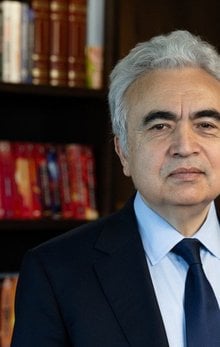
“The acceleration in global progress on energy efficiency that we’re seeing in 2025 is encouraging, including positive signs in some major emerging economies,” says Fatih Birol, Executive Director of the IEA.
“But our analysis shows that governments need to work even harder to ensure efficiency’s full range of benefits are enjoyed by as many people as possible.”
Fatih explained that energy efficiency has the power to improve lives through better energy security affordable bills and lower emissions.

The economic case for efficient procurement
The narrative that sustainable technology requires a premium investment is being challenged.
The IEA’s report indicates that, while some efficient technologies may have a higher initial price, they are often priced similarly to less efficient counterparts.
The lifetime cost benefits derived from lower energy consumption frequently outweigh the upfront expenditure. This makes total cost of ownership a critical metric for procurement decisions.
In a 2025 IEA survey on industrial competitiveness, a majority of firms identified energy efficiency as their primary defence against price volatility. This perspective is vital for procurement leaders, managing budgets and supply chain risks.
For instance, consumers who purchased efficient air conditioners in 2025 are estimated to have saved up to 30% on energy costs, while paying similar upfront prices.
This principle also extends to building retrofits. According to the IEA, since 2019, spending on building retrofits in China, the US and the European Union has risen by over 20% reaching around US$120bn in 2024.
Managing AI and data centre energy demands
The demand for energy has been greatly affected by the need for space cooling, which has seen the fastest growth of any end-use in buildings since 2000, at a rate of over 4% per year.
This has been driven by wider access to air conditioning and higher living standards. The IEA notes that this rising demand has often been met with equipment that is not highly efficient.
The report suggests that if every air conditioner purchased since 2019 had been the most efficient model available, the world could have avoided a level of electricity demand growth equivalent to that from data centres over the same period.
The influence of AI is expected to accelerate this trend, the IEA forecasting states that data centre electricity demand could double between 2025 and 2030, to approximately 945 TWh. This is equivalent to the entire electricity consumption of Japan in 2024.
While AI contributes to this demand growth, it also presents opportunities for energy savings. The IEA predicts AI could unlock 8 EJ of energy savings by 2035, through applications in demand prediction inventory management and route optimisation.
The impact of skills shortages on efficiency
Implementing energy efficiency measures from building retrofits to AI-driven optimisation requires a specialised workforce.
However, a major skills gap could present a barrier to progress. The IEA reports that nearly 18 million people were employed in the energy efficiency sector globally in 2024.
Despite this large workforce, 72% of energy efficiency employers report a shortage of workers. This is a critical concern for businesses aiming to implement efficiency strategies.
Around 60% of these employers expect shortages to have a moderate to major impact on their operations within the next five to ten years. Around half are already finding it difficult to replace retiring workers.
This shortage is not unique to energy efficiency, LinkedIn's 2025 Green Skills Report found that the demand for sustainability experts is growing almost twice as fast as the development of green skills among workers, creating a bottleneck for achieving corporate sustainability and efficiency goals.


Executives
Fatih Birol
Executive Director