
ERM & Chestnut Carbon: A New Nature-based Procurement Model

ERM is serving as the technical advisor on a US$210m financing arrangement for Chestnut Carbon.
This move could increase confidence in the voluntary carbon market and impact how organisations approach the procurement of carbon credits to meet sustainability objectives.
The deal marks a first-of-its-kind investment in a voluntary carbon credit initiative.
As organisations work towards 2030 and 2050 climate targets, the demand for high-quality carbon credits has risen. Green finance for these projects has, at times, been slow to materialise due in part to risk verification.
Lenders have shown caution towards nature-based projects because of questions around their permanence measurement and the long timelines required for returns.
This is where technical advisory services, from firms like ERM, are becoming a critical component of the financing process.

Due diligence in carbon credit procurement
ERM, a global sustainability consultancy, provided lenders, including JPMorgan, with rigorous due diligence for the Chestnut Carbon project.
The assessment was designed to ensure the project is not only environmentally sound, but also commercially viable. The process covered the entire project lifecycle, from the procurement of seedlings for the afforestation work, to land acquisition.
This was to ensure the supply chain was robust enough to support the project's scale across North America.
ERM also assessed Chestnut Carbon’s alignment with the Core Carbon Principles. These principles are set out by the Integrity Council for the Voluntary Carbon Market (ICVCM), and are a vital measure of credibility for buyers of carbon credits. ERM’s work at the intersection of sustainability and business strategy, giving the firm a level of trustworthiness that financiers require.
"This transaction sets a new precedent for sustainable finance in the voluntary carbon market," explains Rayna Stern, a Partner at ERM.
"We are proud to have played a role in supporting a scalable afforestation project that is designed to deliver positive biodiversity and climate impacts."
The role of large-scale offtake agreements
The US$210m investment in Chestnut Carbon is backed by a long-term carbon removal deal Chestnut Carbon has made with Microsoft.
ERM describes the agreement as “one of the largest carbon removal agreements in the US to date”. The involvement of a major technology company as an offtaker provides a degree of revenue certainty, which is often a final requirement for securing project finance.
The deal will concentrate on afforestation, which involves planting trees in areas where there were none previously. This process provides genuine carbon removal rather than carbon avoidance.
For Chestnut Carbon, the financing is a watershed moment, moving Chestnut Carbon beyond venture capital and into the sphere of traditional project finance.
This evolution is a necessary step for any sector that intends to scale its operations.
Creating a bankable asset from nature
By validating the technical viability of Chestnut Carbon’s operations, ERM has helped to establish a replicable model in climate finance. The structure of the project could pave the way for more investments of this size in carbon credit infrastructure.
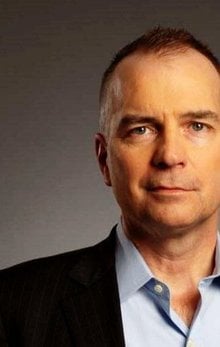
"This project's first-of-its-kind structure aims to create a bankable new asset class which leverages conventional frameworks to catalyse mainstream financing for nature-based climate solutions nationwide," says Greg Adams, Chief Financial Officer at Chestnut Carbon.
"It’s been a pleasure to work with ERM, a diligent, fair and constructive partner who will continue to play an important role in our work as we continue to scale."
If financial institutions can lend with confidence against the carbon sequestered by trees the flow of capital into global reforestation efforts could increase.
This would in turn affect the procurement landscape for companies seeking to meet net zero goals through high-quality nature-based carbon credits.
Company portals




Executives
Greg Adams
CEO

Rayna Stern
Partner