
Mexican Avocado Industry Aiming for Zero Deforestation
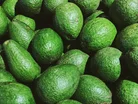
Each year, more than a million tonnes of avocados are consumed in the US, spread over toast or mashed into guacamole, even finding their way into cosmetics.
Mexican avocados comprise 80% of those imported into the US, reaching as far as Canada, Europe and Asia.
As with most agricultural processes, growing and exporting avocados affects both the environment and local communities, primarily due to water consumption, soil degradation and deforestation.
In a sustainability-forward move, the US supply of Mexican avocados is set to be deforestation-free commencing January 2026.
In a landmark agreement with the Federal Government of Mexico, the Mexican avocado industry is poised to extend this commitment to all international exports by 2030.
This initiative positions the avocado industry as a pioneer in Mexico's agricultural sector, with hopes to set a precedent for others to emulate.
"We are trying to make sure that we have the accountability mechanisms to protect the future of our industry, but also to respond to what consumers and stakeholders and our customers are asking us for," says Ana Ambrosi, Director of the Avocado Institute of Mexico.
"I think we live in a world where leading with purpose is important and sustainability is not a nice to have anymore. It's a must."
The scale of Mexican avocados
Trade group Avocados from Mexico now imports a substantial 2.5 billion pounds annually, which has more than doubled since 2014 when 1.2 billion pounds were imported.
The industry supports over 54,000 orchards, driving 78,000 direct jobs in Mexico along with more than 42,000 across the US. A significant proportion of these orchards are small family enterprises, according to Ana.
The unique climate and rich volcanic soil of Mexico enable avocado production throughout the year, making it the sole country with such capabilities.
“The industry has a huge socioeconomic impact, driving economic benefits and creating jobs on both sides of the US border,” Ana adds.

How Mexican avocados impact procurement executives
The environmental battleground paints a different picture. A 2023 inquiry by Climate Rights International uncovered illegal deforestation and inappropriate water sourcing in Michoacán and Jalisco.
It was observed that the deforestation spurred by avocado cultivation in these locales spans between 40,000 to 70,000 acres.
This craving for monoculture prompts not just biodiversity loss, but also pressures local water resources and raises the stakes for floods and landslides.
Deforestation escalates greenhouse gas emissions and diminishes the landscape’s carbon storage capacity. According to the World Avocado Organisation, one kilogram of avocados requires around 800 litres of water and results in 2.4 kg of CO₂ emissions, a smaller toll than beef or chocolate, yet larger than some fruits like bananas or cherries.
Ana notes that more than 60% of avocado farms depend solely on rainfall, while the rest utilise advanced methods such as micro sprinklers and drip irrigation.
Mexico’s plan for deforestation-free avocados
Supported by federal initiatives, mechanisms for accountability and monitoring will be implemented to secure global market access.
Produce failing to meet compliance post-January 2026 will lose export privileges. Projections have it that 75% of the 54,000 orchards should meet qualification standards within the first year.
Enrique Audifred, Vice President of Sustainability for the Association of Avocado Exporting Producers and Packers of Mexico, says: "We appreciate the positive dialogue and collaboration with the federal government."
The sustainability mission is rife with potential to restore and sustain Mexican forests.
Enrique adds: "Our industry will continue to build a resilient and sustainable future for the Avocado Landscape of Mexico, delivering results that go far beyond this agreement."
Sustainability efforts for Mexican avocados
“More than 90% of the 54,000 orchards are sitting in places where they haven’t been deforested or have no deforestation issues,” says Ana.
Sustainability initiatives are deep-rooted within generations. However, the call for a structured, strategic vision was pivotal, propelling the establishment of new pathways.
The industry’s commitment led to a Taskforce on Nature-related Financial Disclosures (TNFD) report, evaluating impacts on nature and pinpointing risks.
The Path to Sustainability, launched in April, delineates a robust action plan with aspirations for zero deforestation by 2030.
Ramon Paz-Vega, Strategic Consultant for the Mexican Hass Avocado Importers Association, says: “We’re grateful for the government’s partnership in this effort — especially as we make progress under our Path to Sustainability, which expands our commitment to protecting Mexico’s forests, water, biodiversity and more.”
Ana concludes: “This strategy and connecting thread took a while to develop, but I think we’re finally in a place where we’re united with one vision throughout the supply chain.”