Why AbbVie Has Committed $100bn to US Medicine Supply Chains

AbbVie has become the 16th of 17 pharmaceutical companies to formalise a landmark voluntary agreement with the Trump administration, committing US$100bn to domestic investment over the next decade.
The deal could play a role in reshaping procurement strategies across the American healthcare sector, as the industry pivots toward reshoring critical manufacturing capabilities.
The three-year accord requires the North Chicago-based biopharmaceutical leader to provide significantly lower pricing within the Medicaid programme and expand its direct-to-patient offerings via the federal TrumpRx platform.
This strategic move could ensure that high-demand treatments, including Humira and Synthroid, reach millions of citizens at a reduced cost.
In exchange for these concessions, the government has granted AbbVie a total exemption from pharmaceutical import tariffs and protected the firm from future pricing mandates.
US$100bn reshoring commitment
Central to the agreement is a significant commitment to reshoring and domestic capacity.
AbbVie will commit US$100bn in US research and development and capital investments, including manufacturing, over the next decade.
This capital injection is intended to fortify the American healthcare supply chain against global volatility, offering procurement teams greater certainty over domestic sourcing options.
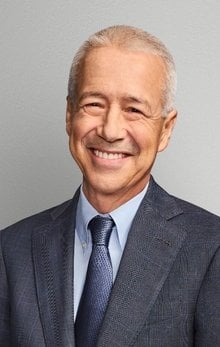
"AbbVie's mission is to make a remarkable impact for the patients we serve around the world through our innovative medicines," says Robert A. Michael, chairman and CEO at AbbVie.
Michael says the partnership is important in navigating a complex regulatory landscape.
"AbbVie is following President Trump's call to action by reaching this agreement, allowing us to collectively move beyond policies that harm American innovation," he says, highlighting the shift toward a most-favoured-nation pricing model.

Industry-wide procurement transformation
The broader pharmaceutical landscape is shifting as 16 of the 17 major manufacturers targeted by the administration have now complied with the most-favoured-nation (MFN) directive.
By aligning domestic costs with the lowest international benchmarks, these companies are attempting to neutralise political pressure and avoid the 100% tariffs threatened on imported branded drugs.
The compliant manufacturers include AbbVie, Johnson & Johnson, Amgen, Boehringer Ingelheim, Bristol Myers Squibb, Roche's Genentech unit, Gilead, GSK, Merck, Novartis, Sanofi, Pfizer, AstraZeneca, EMD Serono, Eli Lilly and Novo Nordisk.
The deal follows a similar announcement from Johnson & Johnson, which recently secured its own strategic pact with the White House.
Johnson & Johnson has committed to a comprehensive pricing and manufacturing strategy to ensure resilient supply chains.
It will provide medicines at prices comparable to other developed nations, specifically targeting the Medicaid programme and cash-paying patients via TrumpRx.gov.
As part of its commitment to domestic growth, Johnson & Johnson is executing a US$55bn US investment plan through to 2029.
This includes the development of two new state-of-the-art facilities: a next-generation cell therapy manufacturing site in Pennsylvania and a drug product facility in North Carolina.
Supply chain resilience priorities
While the financial specifics of the individual drug discounts remain confidential, the scale of the capital commitments is unprecedented.
AbbVie's US100bn pledge and Johnson & Johnson's US55bn roadmap represent a significant portion of the total industry reinvestment triggered by recent executive orders.
These agreements provide a three-year grace period of stability, allowing firms to plan long-term infrastructure projects without the immediate threat of pricing shocks or trade barriers.

Michael says: "With approximately 29,000 US-based employees and products treating 16 million Americans annually, we understand the complexity and access challenges in our healthcare system."
The administration's MFN policy aims to eliminate "global freeloading", where foreign price controls are seen as subsidised by higher American costs.
With only Regeneron remaining as a holdout among the original group of drugmakers, the industry has largely accepted this new era of cooperative regulation.
Executives must now ensure that the promised manufacturing capacity is brought online rapidly to meet the requirements of the tariff exemptions and satisfy the growing demand for affordable, American-made innovative therapies.
Company portals















Executives
Joaquin Duato
Chairman of the Board and Chief Executive Officer
Rob Michael
Chairman of the Board and Chief Executive Officer