
Fairtrade Bananas: A Path to Sustainable Sourcing
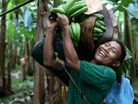
Fairtrade plays a vital role in ensuring banana farmers and plantation workers receive fair wages and better working conditions.
The Fairtrade Minimum Price protects producers from market volatility, while the Fairtrade Premium — US$1 per box — has generated nearly £31.8m (US$39.6m) for certified producers in 2020 alone. This additional income allows banana-growing communities to invest in business development and local projects.
Bananas carrying the FAIRTRADE Mark are grown by small farmer organisations and plantations that meet strict social, economic and environmental standards. These include workers’ rights protections, sustainable farming practices and the guaranteed payment of both the Minimum Price and the Premium.
However, climate change, plant diseases and soaring production costs continue to threaten banana supply chains, highlighting the need for more support across the industry.

Why fair pricing matters for banana farmers
The Fairtrade Foundation warns that banana growers are under increasing pressure as climate change disrupts production and costs rise.
Extreme weather events such as floods, hurricanes and prolonged heatwaves are damaging crops and making it harder for farmers to earn a stable income.
“The consequences of climate change for banana production are very real. Farmers are battling daily with unpredictable weather patterns, scorching sun, floods, hurricanes and increased cases of plant diseases. All these are hitting producers hard,” says Anna Pierides, Fairtrade Foundation’s Responsible Business Senior Manager, speaking at the World Banana Forum.
Rising costs for essentials such as fertiliser, pallets, plastic packaging and labour are also putting financial strain on growers. Many are struggling to cover their expenses, let alone make a profit.
“Without fair prices, banana farmers simply cannot make ends meet. If banana producers are unable to cover their costs, they are unable to stay in business. Fairtrade is committed to raising incomes and living standards for banana producers,” Anna adds.
The UK, one of Europe’s biggest banana importers, consumes more than a million tonnes annually.
Yet, supermarkets continue to sell bananas at historically low prices, a practice that devalues the crop and harms those who grow it.
“Fairtrade believes the UK banana industry has a unique opportunity to drive change within the sector at scale, ensuring a brighter future for banana farmers and workers, and fairer, sustainable supply chains,” Anna continues.
Retailers step up for sustainability
Some retailers are recognising the importance of fairer banana pricing.
In 2023, ALDI took steps to strengthen the sustainability of its banana supply chain by introducing more responsible purchasing practices. In partnership with key suppliers, the supermarket developed a transparent pricing model that considers real production costs, including packaging, fuel and logistics.
ALDI’s sourcing model is based on Fairtrade’s methodology, using Fairtrade’s annually published cost factors to determine prices.
However, not all of its bananas will be Fairtrade-certified, meaning the Fairtrade Minimum Price will not apply across the board. Instead, ALDI’s approach aims to stabilise prices while protecting workers and farmers from sudden financial shocks.
This responsible purchasing model will cover most of ALDI’s banana supply from 2023 onwards, with plans for further expansion. Strategic suppliers working with ALDI will benefit from stable purchasing agreements, allowing them to make long-term investments in sustainability.
Ensuring a fairer banana industry
Fairtrade’s approach to banana sourcing goes beyond pricing.
The Fairtrade Minimum Price provides stability, while the Fairtrade Premium gives farmers and workers funds to invest in their businesses and communities. The Fairtrade Base Wage, introduced to improve pay on certified plantations, has already helped thousands of workers move towards a living wage.
“Fairtrade is working closely with plantations and smallholder organisations to focus on farm practices and a diversified crop base to mitigate climate risks, improve income opportunities, biodiversity and soil health,” Anna explains.
The Fairtrade Living Wage Reference Price also aims to bridge the gap between current wages and a fair income for banana workers. By improving employment conditions and ensuring workers have a voice in decision-making, Fairtrade helps create a more sustainable and equitable supply chain.
Ahead of Fruit Logistica in Berlin, where industry leaders will discuss the future of the fruit trade, Fairtrade is calling for urgent action to ensure banana farmers and workers receive fair wages and sustainable prices.
“As the global fruit industry comes together at Fruit Logistica, we face an urgent challenge: ensuring that banana farmers and workers receive sustainable prices and fair wages in the face of rising costs and the increasing impacts of climate change,” Anna says.
Bananas are a lifeline for millions of people worldwide, yet too many farmers remain vulnerable to unstable pricing and climate shocks.
Fairtrade’s Shared ImPact model, which brings businesses, farmers and workers together, is designed to tackle these challenges.
By fostering long-term commitments and shared responsibility, the model ensures better returns for producers while securing ethical and sustainable supply chains.
Explore the latest edition of Procurement Magazine and be part of the conversation at our global conference series, Procurement & Supply Chain LIVE.
Discover all our upcoming events and secure your tickets today.
Procurement Magazine is a BizClik brand.