UK's GB Energy Bill: Strategic Procurement Shift
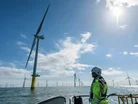
The Great British Energy Bill has passed through Parliament, officially establishing Britain's new publicly-owned energy company.
This development is especially significant for procurement professionals, as the bill's provisions include substantial financial backing aimed at reshaping the landscape of energy procurement in the UK.
The Labour government, upon taking office in July 2024, was quick to announce this initiative with a clear focus on accelerating the transition to clean energy. Great British Energy is set to benefit from a substantial governmental investment of £8.3bn (US$10.4bn), earmarked for a range of sustainable energy projects.
The procurement of goods and services for these projects will be pivotal to their success, as the legislation has garnered support from all three devolved governments in Scotland, Wales and Northern Ireland, marking the first time such a consensus has been achieved under the current parliament.
The Energy Secretary, Ed Miliband, emphasised this during a visit to a Hull hospital benefiting from solar energy cost savings, stating: "Great British Energy comes from a simple idea: British people should own and benefit from our own natural resources."
“We are giving people a stake in clean energy and delivering profits for the British people.”
Investment strategy
During an interview at Innovation Zero in April 2025, Dan McGrail, the interim CEO of Great British Energy, shed light on the company's investment strategy which will guide its procurement decisions.
Three critical areas have been identified for investment, each with implications for procurement activities: development projects such as offshore wind and long-duration energy storage; 'GB Local', which emphasises community energy projects; and, crucially, investments in the supply chain to support these initiatives.
According to Dan: "We want to enter the market as a developer — it's a very important part of the mandate we've received."
These development efforts will inevitably influence procurement strategies, particularly as the company seeks to integrate technologies like pumped hydro and compressed air energy storage into its portfolio.
Collaboration with private sector
Great British Energy's procurement strategy also involves a collaborative approach with the private sector.
Dan has emphasised that the company intends to complement rather than compete with existing energy companies. "We are looking to come into the energy industry as a new organisation which is there to work alongside the private sector," he explained.
Procurement professionals should note that the strategy involves taking minority stakes in projects rather than leading them, which requires a nuanced approach to partnership and supplier relationship management.
Dan observes: "One of the things I've learned in the first five weeks in this job is that the appetite for GB Energy to come to life and to bring capital to projects to co-invest with companies is actually really high."

Focus on community and supply chain
Further to its investment in large-scale projects, Great British Energy is also setting aside funds for community initiatives, signalling a bottom-up approach in its procurement decisions. In Scotland, for instance, a community energy fund backed by £4m (about US$5m) is now active, covering projects like community-led wind and solar initiatives.
The procurement function will also play a critical role in supporting the company's supply chain investments, which currently include a £300m (US$377m) allocation for offshore wind supply chains.
This focus aims not only to enhance Britain's manufacturing capabilities but also to ensure ethical procurement practices. Recently, the company has prohibited the procurement of solar panels linked to modern slavery, a move that aligns procurement closely with corporate social responsibility.
Rachel Delacour, CEO of Sweep, gave her perspective on Great British Energy's potential to Sustainability Magazine, especially in light of Ed Miliband calling net zero “the economic opportunity of the 21st century”.
"It's reassuring to see the UK government reaffirm that clean power is central to economic growth,” she says.
“Great British Energy has the potential to drive real change, but it must be backed by strong systems: rigorous data tracking, oversight of its environmental impact and clear guidance for businesses.”
For Rachel, though, government initiatives alone are not fully sufficient.
"Initiatives like Great British Energy are only part of the puzzle in the UK's race to net zero. It must be paired with private-sector action to unlock real progress," she explains.
For those involved in Great British Energy, the company represents a revolution in public services, somewhat akin to the establishment of the NHS.
"Great British Energy was created to ensure British people reap the benefits of clean, secure, homegrown energy,” says Great British Energy Chair Juergen Maier.
“We now have full backing to scale up the company, crowd in investment and back clean energy projects across the country."
Explore the latest edition of Procurement Magazine and be part of the conversation at our global conference series, Procurement & Supply Chain LIVE.
Discover all our upcoming events and secure your tickets today.
Procurement Magazine is a BizClik brand.