Procurement's Role in TSMC's Record-Breaking Year
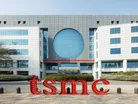
The Taiwan Semiconductor Manufacturing Company (TSMC), the world’s largest contract chipmaker, reached new financial heights in 2024, reporting a staggering 58% increase in fourth-quarter profits.
This growth has been fuelled by surging demand for advanced chips, particularly artificial intelligence (AI) applications.
For the full year, TSMC achieved profits of approximately 2.9 trillion New Taiwan Dollars—equivalent to US$88bn—making 2024 its most profitable year to date. However, while the financial picture is bright, the company faces significant procurement challenges involving geopolitical pressures and sustainability concerns that could impact its long-term strategy.
AI demand powers TSMC’s profit boom
As a critical supplier to technology giants like Apple and Nvidia, TSMC plays a central role in a lucrative supply chain. The growing need for high-performance semiconductors has positioned the company as a leader in the AI revolution.
For the final quarter of 2024, TSMC reported net profits of US$11.41bn, a major leap from US$7.21bn in the same period in 2023. Analysts attribute this success to the explosive growth of AI technologies, which rely heavily on cutting-edge chips designed and manufactured by TSMC.
Brett Simpson, Co-Founder of Arete Research, highlights this trend: “2025 will be another year where TSMC's growth is largely driven by AI customers.”
From generative language models to self-driving vehicles, the demand for semiconductors is at an all-time high, creating both opportunities and pressures for TSMC to meet supply needs efficiently.
But this boom is not without its complications. The semiconductor manufacturing process is notoriously energy-intensive and, as the sector grows, concerns about the industry’s environmental impact are becoming more pronounced.
Scaling operations: Expansion and sustainability
To keep up with growing demand for semiconductors, TSMC is investing heavily in new manufacturing facilities, including a massive US$65bn production hub in Arizona, US. The facility, part of a broader strategy to diversify operations, is being hailed as a significant contribution to US domestic manufacturing capacity.
However, the Arizona plant has drawn attention to questions about operational efficiency and sustainability.
Edward Chen, Chairman of Fubon Financial’s Securities Investment Unit, underscores the importance of this balance, particularly as the plant begins production. He notes that yield rates — how efficiently chips are manufactured — will be a critical metric for success.
TSMC has confirmed that the bulk of its production will continue to be based in Taiwan. This decision is driven by cost considerations and access to a highly skilled workforce. However, concentrating production in one location comes with risks, particularly as Taiwan faces increasing geopolitical tensions and the impacts of climate change.
Understanding ‘fabs’ and the procurement challenge
TSMC’s manufacturing facilities, often called "fabs" (short for fabrication plants), are the cornerstone of its production.
The company’s advanced "GIGAFAB" facilities represent the pinnacle of semiconductor manufacturing, where cutting-edge chips are created to power everything from smartphones to AI systems.
While TSMC continues to expand its fab network globally, the procurement of resources — such as raw materials, water and energy — remains a challenge. Semiconductor fabrication requires significant volumes of purified water and energy and any disruptions in the supply chain could impact operations.
- A fab is a facility where semiconductor products are made. The term 'fab' is short for 'fabrication.'
- TSMC's fabrication facilities are called 'GIGAFAB' facilities.
Navigating geopolitics and sustainability
TSMC’s growth is also tightly linked to its ability to navigate complex geopolitical dynamics. The incoming US administration under President-elect Donald Trump has signalled a shift in trade policies, including potential import tariffs, which could affect TSMC’s operations.
Brett remains optimistic about TSMC’s relationship with the US, noting the strategic importance of its Arizona fab.
He says: "TSMC can build a good relationship with the new administration, particularly given its new fab cluster in Arizona is the biggest foreign direct investment project in the US at present."
However, Edward takes a more cautious view, adding: "The impact of tariffs to be imposed by the incoming Trump administration on demand remains to be seen."
Beyond trade policies, the sustainability of TSMC’s operations is under increased scrutiny. Semiconductor production is resource-heavy, consuming vast amounts of energy and generating significant waste. The company has made strides in improving its environmental practices, but critics argue that its efforts need to scale with its growth.
Capital investments and future priorities
In its 2024 earnings report, TSMC announced plans to invest more than US$30bn in capital expenditures for the year, with further increases expected in 2025. These investments are aimed at boosting production capacity and securing the company’s position as the world leader in advanced chip manufacturing.
However, balancing these investments with environmental and geopolitical pressures is crucial. Investors and environmental advocates are closely monitoring TSMC’s efforts to align with global sustainability goals.
Lora Ho, Senior Vice President and ESG Committee Chairperson, concludes: "TSMC strives to integrate technology with sustainable development, joining hands with stakeholders to advance together towards prosperity and growth."
As the semiconductor sector continues to expand, TSMC’s ability to balance profitability with sustainability and geopolitical resilience will shape its future.
For procurement professionals, the company’s strategies in raw material sourcing, energy management and international collaboration provide key insights into managing complex global supply chains effectively.
Explore the latest edition of Procurement Magazine and be part of the conversation at our global conference series, Procurement & Supply Chain LIVE.
Discover all our upcoming events and secure your tickets today.
Procurement Magazine is a BizClik brand