How JLR & Pirelli Partnership Delivers Sustainable Tyres
In the journey towards sustainability, the collaboration between JLR and Pirelli marks an important milestone within the procurement landscape of the automotive industry.
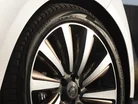
By 2025, JLR plans to introduce tyres on 22” Range Rover wheels that comprise more than 70% renewable and recycled materials, showcasing a commitment to reducing the environmental impact of road vehicles.
This innovative step arises from Pirelli's development of a tyre that not only meets performance expectations but also aligns with evolving procurement strategies that prioritise sustainability.
Reuben Chorley, the Sustainable Industrial Operations Director at JLR, underscores this collaboration's impact on sustainable design: “This is another example of how JLR is leading on sustainable design innovation in collaboration with its supply chain partners to deliver at scale, while reducing the environmental impact of our products.”
This statement highlights the pivotal role of procurement practices in supporting sustainable solutions in the automotive sector.
The environmental impact of tyres
Tyres traditionally have a high environmental footprint, both during manufacturing and while in use.
The production process primarily relies on natural rubber and petroleum-based synthetic rubber, which has significant resource demands.
Furthermore, tyre wear is a prominent source of microplastics, contributing to about 28% of the global microplastics entering the environment, according to research from the University of Portsmouth.
Moreover, tyres contain more than 400 chemicals, including potentially harmful heavy metals. As tyres degrade, these substances pose risks to both the environment and human health.
This reality amplifies the need for procurement strategies to embrace materials that lessen these impacts.
Pirelli’s P Zero tyre for JLR
The procurement and engineering collaboration between Pirelli and JLR has resulted in the P Zero tyre, tailored for JLR's sustainable targets.
This tyre includes silica sourced from rice husks, a by-product of rice milling, instead of mined materials.
The substitution of fossil-based polymers with plant-based alternatives also illustrates an adaptive response in procurement to utilise agricultural by-products and recycled materials, such as carbon black from end-of-life tyres.
Andrea Debbane, Chief Sustainability Officer at JLR, emphasised the partnership's innovative nature: “This new success is a testament to how collaboration fuels innovation - setting a new benchmark for responsible luxury without compromising performance.”
In procurement, this signifies a transformative approach, offering responsible sourcing without sacrificing quality.
FSC-certified rubber
Another monumental development is JLR's partnership with Pirelli to incorporate Forest Stewardship Council (FSC) certified rubber on a larger scale.
The announcement, made in July 2024, reflects the strategic alignment between procurement frameworks and sustainable objectives.
Andrea adds: “This is an exciting point in our sustainable luxury journey, as we partner with Pirelli, a company that shares JLR’s sustainability ambition and is at the forefront of sustainable tyre production.”

The incorporation of FSC-certified rubber aligns with procurement strategies that prioritise responsible forest management and foster positive community impacts in the rubber supply chain.
Andrea further comments on the brand's evolving strategy, “By choosing Pirelli's FSC-certified tyres, we’re offering our clients high-quality, high-performance tyres whilst supporting responsible forest management and protecting the communities in our rubber supply chain to drive real progress.”
For C-Level procurement executives, these developments encapsulate a broader trend towards integrating sustainability into procurement decisions, redefining luxury with an eco-conscious lens and reinforcing the importance of partnerships with suppliers who share these values.