
Why BASF is Partnering With Encina on Circular Chemicals
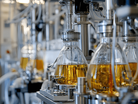
BASF has signed a collaboration agreement with Encina Development Group to support the development of a circular chemicals manufacturing facility on the Gulf Coast. Encina produces circular chemicals from waste streams.
The agreement allows BASF to provide advisory services during project development phases before a final investment decision. The arrangement includes procurement strategy guidance and project execution planning.
BASF also gains rights to participate in future Encina project development opportunities. This could include equity participation alongside the company.
Strategic support for development
Thomas Ohlinger, Senior Vice President Traded Products at BASF, says: "Advancing circular economy solutions requires strong collaboration across the value chain."
Thomas adds: "Through this additional agreement with Encina, BASF continues to support the development of innovative approaches that increase the availability of circular feedstocks for the chemical industry and expand the use of circular raw materials in our production processes and Cycled product portfolio."
He says: "This demonstrates our strength as a partner with distinctive capabilities to support and shape early-stage projects beyond what pure off-takers can offer."
The arrangement builds on a long-term supply agreement announced in 2024. That deal covers chemically recycled circular benzene derived from waste streams.

Converting waste into feedstocks
Encina uses catalytic conversion technology to transform waste streams into circular products. These materials would otherwise go to landfills or incinerators.
The company designs its products as drop-in circular feedstocks. These support decarbonisation and circular economy objectives across industries.
McKinsey says that plastic recycling represents a between US$50 and US$75 billion economic opportunity by 2035.
Encina's technology processes waste that existing manufacturing supply chains can use. The approach aims to reduce waste while meeting demand for circular materials.
Framework for international expansion
David Schwedel, Founder and Executive Director of Encina, says: "BASF's decision to deepen its relationship with Encina reflects the increasing importance of scalable circular feedstock solutions within the chemical industry."
David says: "Together, we are helping advance a new generation of circular chemical manufacturing capable of reducing waste while supporting global demand for sustainable products."
He adds: "This collaboration further validates Encina's technology, commercial platform and long-term global development strategy."
Encina says the agreement establishes a framework for evaluating future collaboration between the two companies. This could cover additional projects across international markets.
Executives
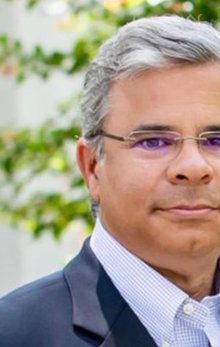
David Schwedel
Founder and Executive Director
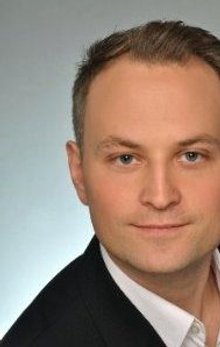
Thomas Ohlinger
Managing Director BASF Intertrade AG