Procurement: The Power Behind Volkswagen's Global Growth

Volkswagen Group buys at a scale few can match, sourcing everything from battery minerals to semiconductors across a global network.
In recent years its procurement function has been reshaped to support electrification, manage geopolitical risk and hard-wire sustainability into contract-awarding decisions.
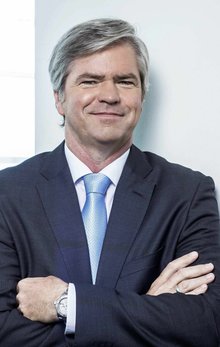
Under Dirk Große-Loheide, Board Member for Procurement, the group has tightened raw-materials due diligence, digitised plants and pushed for deeper supply-chain transparency, particularly for batteries.
Volkswagen at a glance
Volkswagen Group is one of the world’s largest automotive manufacturers, operating multiple brand groups that span mass market to luxury.
It sells millions of vehicles every year across Europe, China and the Americas under brands including Volkswagen Passenger Cars, Audi, Škoda, SEAT/CUPRA, Porsche and others, supported by more than a hundred production sites worldwide.
In recent times, the organisation has upped the ante when it comes to affordable e-mobility, its autonomous vehicle fleet and battery cell production in Germany.
How procurement underpins the strategy
Sustainability as a sourcing gate
Volkswagen links supplier award decisions directly to sustainability criteria. Its Raw Material Due Diligence Management System focuses on 18 high-risk materials, applying risk-based measures to identify, mitigate or eliminate environmental and human-rights risks, with heightened transparency requirements for battery suppliers. This moves sustainability from a policy to a lever that influences commercial outcomes.
Responsible minerals and circularity
The group’s Responsible Raw Materials Policy sets expectations on upstream due diligence, aligned with international standards, while programmes such as battery-materials recycling at Salzgitter support long-term security of supply and reduced embedded carbon. Together, these moves address critical inputs like lithium, nickel and cobalt while building future secondary material streams.

Decarbonisation through the value chain
In line with group climate commitments, procurement teams are tasked with cutting supplier emissions, particularly in energy-intensive components and battery materials. This includes requiring data transparency, encouraging renewable energy use and prioritising lower-carbon inputs to support net-zero trajectories across operations and the value chain.
Digital productivity and resilience
Procurement benefits from Volkswagen’s digitised manufacturing footprint. An expanded partnership with Amazon Web Services underpins a factory cloud connecting dozens of plants to improve quality, throughput and cost. Better plant data means steadier demand signals and tighter supplier integration, supporting resilience without excess inventory.
Risk management at scale
With exposure to volatile regions and technologies, Volkswagen continues to rebalance sourcing, manage semiconductor availability and hedge geopolitical risk while avoiding value-destroying price wars. The procurement function’s role is to maintain supply continuity and cost discipline as electrification is ramped up and regional policies shift.
Leadership: Dirk Große-Loheide
Dirk Große-Loheide assumed responsibility for Group Procurement at the beginning of 2023, joining the Extended Executive Committee as Volkswagen reorganised purchasing to align horizontal functions across the group.
A Volkswagen veteran, Dirk began in machine procurement in Wolfsburg and held senior purchasing roles at SEAT, Volkswagen Commercial Vehicles and Volkswagen de México before taking the group-wide role.
He is responsible for integrating sustainability into sourcing, elevating transparency in battery supply chains and sharpening cost and risk control across a complex global base.
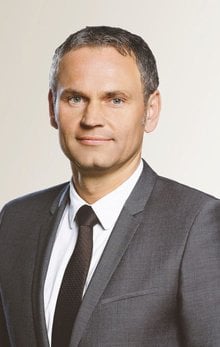
After Dirk's appointment was confirmed, Oliver Blume, CEO at Volkswagen, said: “In Dirk Große-Loheide, we have won another procurement expert with international experience for this strategic key function in the brand and in the group."
Supplier relationships
Volkswagen’s message to suppliers is clear: sustainability performance, verified data and traceability are now prerequisites, not add-ons. Suppliers able to showcase low-carbon production, robust due diligence and digital connectivity will find themselves at the front of the queue.
What's more, those who can also help Volkswagen de-risk critical materials and accelerate productivity in connected factories will find a customer prepared to partner for the long haul.
For procurement teams across the automotive industry, Volkswagen offers a blueprint: embed ESG into sourcing gates, invest in data and use scale to pull risk and carbon out of the supply chain.