How VMO2 is Cutting Carbon Emissions With Solar Power Deal
Volatility in global energy markets has prompted organisations to reassess procurement strategies for power. Companies are turning to power purchase agreements with renewable suppliers to secure stable pricing and reduce carbon footprints.
Virgin Media O2 has contracted to buy electricity from a solar farm in Suffolk that could begin generating power in 2027. The facility could cover approximately 5% of the telecoms company's total energy needs.
The deal follows an agreement VMO2 made in 2025 with The Renewables Infrastructure Group for wind energy. Together, the two contracts could supply around 20% of the company's power requirements.
VMO2 says the arrangements support renewable generation in the UK while providing energy price stability.

Carbon reduction through procurement
The solar contract forms part of VMO2's plan to achieve net zero carbon emissions across its value chain by the end of 2040.
"This agreement with egg Power is the latest step in Virgin Media O2's journey to achieve net zero emissions by the end of 2040," says Mark Hardman, Director of Finance Operations at Virgin Media O2.
Mark adds the company aims to reduce carbon output and secure long-term renewable supply. "We are committed to growing and operating our business in a way that's good for people and the planet, where we are cutting carbon, securing renewable energy on a long-term basis and sourcing renewable energy generation from the UK," he says.
The telecoms sector has faced pressure to address energy consumption as network infrastructure expands.
Supplier targets digital sector
egg Power is a wholly owned subsidiary of Liberty Growth, the investment arm of telecommunications company Liberty Global. VMO2 is a 50/50 joint venture between Liberty Global and Spanish multinational Telefonica.
The supplier focuses on meeting clean energy requirements for telecoms operators and digital infrastructure providers. Demand for power in these sectors has increased due to AI adoption and data usage growth.
"This agreement is a further endorsement of our mission to become the clean energy supplier of choice for telcos and digital infrastructure providers in the UK," says Ilesh Patel, Head of egg Power at Liberty Global.
Ilesh notes funding is available for additional projects. "With funding in place for more projects, we are excited about the next chapter as we continue to deliver reliable, price-predictable renewable power that strengthens the UK's energy security, underpins long-term growth and meets the needs of large energy users," he says.
Business resilience takes priority
VMO2 has moved away from traditional sustainability framing in its corporate strategy. Dana Haidan, Chief Sustainability Officer at Virgin Media O2, told our sister title, Sustainability Magazine, the term sustainability can lead teams to focus on environmental initiatives without addressing wider stakeholder concerns.
The company's responsible business agenda centres on two areas: business resilience and digital wellbeing.
"We are evolving from a traditional sustainability programme into a broader responsible business strategy," Dana explained.
Dana said the issues VMO2 addresses extend beyond conventional environmental, social and governance parameters. "Because the issues we're addressing, like climate resilience, digital wellbeing, resource scarcity and many more, go far beyond the traditional boundaries of ESG. These are not peripheral issues; they are central to the long-term success of a digital infrastructure company," she said.
Telecoms sector increases PPA activity
IT and heavy industry sectors have historically dominated the renewable PPA market. However, telecoms companies are increasing their participation.
According to RE-Source, a corporate PPA platform, telecoms firms in Europe contracted PPAs with a capacity of just under 2.5GW between 2013 and the start of October 2023. Telecom Italia, Vodafone and Deutsche Telekom are among the companies that have entered agreements.
The trend could indicate a shift in how telecoms operators approach energy procurement and carbon reduction targets.
Company portals

Executives
Dana Haidan
Chief Sustainability Officer
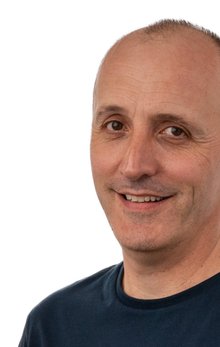
Mark Hardman
Director, Finance Operations