UNCTAD Report: Shipping Braced for Continued Volatility
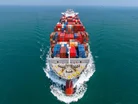
More than 80% of the world's merchandise is moved through global shipping.
However, seaborne trade is expected to falter in 2025, pointing towards a period of fragile growth during times of trade volatility.
The UN Trade and Development's new report, Review of Maritime Transport 2025: Staying the course in turbulent waters, details the risks that global shipping currently faces.

Trade disruptions
Ongoing political tensions, ever-changing tariffs and uncertain shipping lanes are altering how maritime trade functions, directly impacting procurement strategies.
Global trade has shifted dramatically over the past 12 months, with many businesses leaning towards localisation and regionalisation of supply chains instead of relying solely on imports from other countries.
Amid rising tariffs and ongoing conflict, some nations have become unreliable trading partners, causing companies to reconsider their sourcing decisions out of fear of supply disruptions.
"Not since the closure of the Suez Canal in 1967 have we witnessed such sustained disruption to the arteries of global commerce," says Rebeca Grynspan, UNCTAD Secretary-General.
"Ships that once transited the Red Sea in days now sail for weeks around the Cape of Good Hope. Freight rates that were relatively stable for years now swing wildly from month to month. Supply chains we thought were resilient have proven fragile."
The US and other trading partners have been introducing port fees and targeted restrictions on port calls by foreign-built or foreign-operated vessels, which are likely to affect shipping costs and trade routes.
There has been constant volatility in freight rates since 2024, as disruptions in key maritime passages such as the Red Sea have necessitated rerouting via the Cape of Good Hope, extending voyage distances and times significantly.
The ongoing Iran-Israel conflict has added stress to trade in the Strait of Hormuz, with operational risks being a primary concern throughout 2025. Geopolitical tensions have resulted in a 6% growth in tonne-miles due to long-distance rerouting.
Changing maritime trends
Familiar patterns in maritime logistics are experiencing notable shifts, necessitating the adaptation of procurement strategies.
As of early May 2025, ship tonnage transit levels stood 70% below the 2023 average. By the end of June, transit patterns through major maritime channels showed no significant change.
The UNCTAD forecasts a stagnation in seaborne trade through 2025, predicting only a 0.5% volume rise. In January 2025, the global fleet totalled 112,500 vessels, a rise of 3.4% year on year, yet below the annual average growth of 5.1% seen over the past two decades.
As of May, 8% of the active global fleet ran on alternative fuels, signalling some shift towards greener alternatives.
EU carbon emissions pricing is already shaping transport cost structures, with these costs impacting shipments to and from European ports. Global ports continue to deal with extended ship waiting times and congestion.
From December 2023 to March 2024, the average waiting time for developed economies increased from 5.2 hours to 6.4 hours, while developing economies saw a rise from 10.2 hours to 10.9 hours. UNCTAD anticipates these gaps in operational efficiency to widen without significant strategy changes.
Strengthening supply chains
While the UNCTAD report presents a challenging outlook for shipping, it offers actionable insights on improving supply chain resilience through strategic maritime transport enhancements:
Leverage maritime logistics
International cooperation in managing shifting trade policies can provide balance. By investing in transport and logistics, larger nations can integrate developing economies into trade flows, incorporating critical minerals and diversified suppliers into their procurement practices.
Plan for disruption
The maritime sector must prioritise adaptable strategies to boost operational flexibility and effectively manage trade disruptions and traffic fluctuations.
Promote fleet modernisation
To bolster maritime sustainability, fleet renewal should be incentivised to meet evolving environmental standards. Here, governments, regulators, shipbuilders and financiers play a crucial role.
Protect the workforce
Ensuring safety and security for seafarers is vital in maintaining the smooth flow of goods through global supply chains. Adopting proactive strategies to address workforce shortages and injury risks through fatigue is essential, alongside training and upskilling efforts, especially for new material handling safety.
Accelerate decarbonisation
A fair energy transition needs to be embraced to cut greenhouse gas emissions. Developing and deploying viable fuel alternatives will require additional investment commitments.
Measure performance
Ports should continuously evaluate their performance metrics, aiming for improvements via automation and digital software, thereby heightening transparency and resilience.
Close collaboration
Public and private sector stakeholder engagement is key to amplifying risk and resilience management.
"The transitions ahead – to zero carbon, to digital systems, to new trade routes – must be just transitions," adds Rebeca. "They must empower, not exclude. They must build resilience, not deepen vulnerability."
By targeting these improvement areas, the maritime sector can strengthen its resilience amid global unpredictability, leveraging contemporary challenges to safeguard its future.