
UK Seafood Federation to Bolster Public Sector Procurement
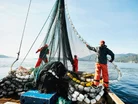
The UK Seafood Federation has voiced its support to the UK Government to strengthen local and sustainable food procurement across England’s public sector.
The primary body representing the nation’s seafood processors and traders welcomed a recent announcement from Defra aimed at strengthening local and sustainable food procurement within England’s public sector.
The initiative provides local authorities with grant funding to improve how food is sourced for essential public services such as schools and hospitals.

Driving Local Investment through Public Spending
Last month, Food Security Minister, Dame Angela Eagle, unveiled the support for a sector that spends nearly £5bn every year on food and catering. “The public sector has enormous purchasing power. The government feels this presents a real opportunity to improve public health, back local businesses and build more sustainable food supply chains.
“By learning from those already leading the way, we can raise food procurement standards right across England and ensure our food procurement spend delivers for the local economy.”
The goal is to use public spending power to support more sustainable food procurement practices across England and work towards the government’s ambition for at least half of all public sector food to be sourced locally or certified to higher environmental standards.
The efforts will improve how food is procured, increase the provision of healthier and more sustainable food options and support local and small food businesses to understand better how to supply to the public sector.
Collaboration for healthier communities
Dan Aherne, CEO of Woocheen Group incorporating New England Seafood and responsible lead for the UK Seafood Federation seafood consumption growth initiative, says: “Our Federation has a mission in making seafood a bigger part of the British diet. The leadership shown by Minister Eagle to introduce healthier, sustainably sourced food into councils and communities is strongly welcomed.
"We hope the Federation and its members can support local councils in making sustainable seafood choices, achieve NHS dietary requirements and shape healthy outcomes for those who are catered for.”
Dan went on to explain the Federation’s willingness to support public sector bodies with the procurement of seafood products including British seafood of all types and the creation of menus for all budgets that lead to positive public health and environmental outcomes.
Sustainability, procurement and supply chain leaders won’t want to miss Procurement & Supply Chain LIVE, taking place at Navy Pier, Chicago, on April 21–22.
Co-located with Sustainability LIVE: The US Summit, the event unites senior decision-makers at a time when supply chains, sustainability and business performance are more interdependent than ever.
Secure your place now for The US Summit – group booking discounts available.
Strategic alliances for sustainable sourcing
The UK Seafood Federation, a membership body dedicated to positioning seafood as a cornerstone of a healthier nation and planet, is leading a new charge to boost domestic consumption.
Following its October 2025 conference, the Federation established a strategic working group alongside Seafish and the Marine Stewardship Council (MSC).
This collaboration aims to unify the seafood category through a powerful market position, backed by compelling narratives and evidence-based arguments for why the public should increase their seafood intake.
Choosing seafood is an environmentally conscious decision, characterised by a lower carbon footprint, minimal water usage and no ties to deforestation. Sustainably sourced seafood is a vital driver for physical and mental well-being, supporting global communities and economies while offering incredible diversity to suit every consumer's budget.
This work forms part of the government’s Good Food Cycle, contributing to healthier and more sustainable food environments that meet high animal welfare standards and environmentally sustainable supply chains and resilient domestic food production.