Schneider Electric, PepsiCo & BMW: Using AI in Procurement
Procurement functions at major manufacturers are turning to machine learning and predictive analytics to manage supplier networks and reduce operational costs.
Companies including BMW Group and Rolls-Royce have deployed AI systems that automate sourcing decisions and identify supply chain risks before they materialise.
The shift comes as purchasing departments contend with geopolitical volatility and rising consumer demand. These AI implementations represent a fundamental shift in how procurement teams operate. Rather than reactive purchasing based on historical patterns, machine learning algorithms analyse vast datasets to predict demand fluctuations, supplier reliability issues and market price movements.
The business case for AI-driven procurement centres on three core benefits: cost reduction through optimised inventory levels, risk mitigation through early warning systems and efficiency gains from automated routine tasks.
Industry analysts suggest that manufacturers implementing these technologies typically see return on investment within 18 to 24 months, with some organisations reporting even faster payback periods as systems mature.
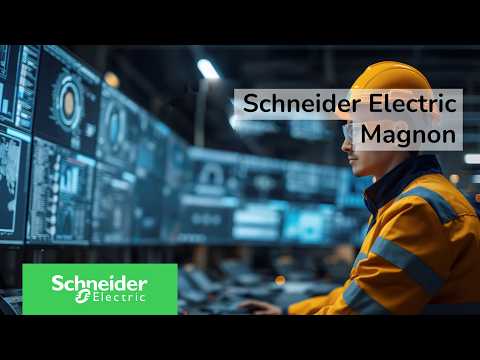
Schneider Electric's adaptive procurement platform
Schneider Electric has implemented what Chief Supply Chain Officer, Mourad Tamoud, calls a self-healing supply chain. The system uses adaptive machine learning to adjust minimum order quantities, lead times and safety stock levels in real time across 160 factories and 75 distribution centres.
The platform monitors IoT data to identify delays or shutdowns. When disruptions occur, the AI identifies alternative suppliers and initiates replacement orders without human intervention.
The machine learning algorithms analyse patterns across multiple variables, including supplier performance history, transportation route reliability, seasonal demand variations and external risk factors such as weather events and regulatory changes.
According to the company, the system has reduced inventory by 10% through a six-day cut in day-in inventory. Schneider Electric generated more than €100m (US$117.6m) in value from the deployment. The technology provides predictive insights for scenario planning and strategy adjustments. More than 80,000 staff members now work with the system across Schneider Electric's operations.
Unilever's digital twin procurement strategy
Unilever operates 280 factories and 200 warehouses globally. Chief Supply Chain Officer, Willem Uijen, has overseen the rollout of digital twins that replicate production lines in cloud environments.
The company trained 23,000 staff members in AI during 2024 as part of its plan to become what it terms AI native. Unilever partnered with Microsoft to deploy the digital twin models using IoT and intelligent services within the Azure platform.
The models use real-time data on temperature and cycle times to predict manufacturing outcomes. The digital twins simulate how changes in raw material specifications, supplier switches or production parameters would affect output quality and costs before procurement teams commit to supplier changes.
According to Unilever, the Valinhos facility in Brazil achieved energy cost savings of US$2.8m and productivity increases of 1% to 3% after implementing the technology. The procurement team uses the digital twin to evaluate whether alternative suppliers' materials will perform identically to current sources.
"Our WEF Lighthouse sites reflect how our world-class operations are combining digital innovation with the passion and expertise of our people, enabling us to respond faster to demand," Willem says.
BMW Group's multi-agent purchasing system
BMW Group processes an annual purchasing volume of approximately €90bn (US$104bn) across 12,000 suppliers. Senior Vice President of Strategy Hendrik Lang has led the development of BMW Group AIconic Agent, a multi-agent AI ecosystem for global sourcing.
The system scans historical procurement data to create request documents with consistency across BMW's supplier base. The AI agents analyse previous successful tenders to identify optimal specification language, delivery terms and quality requirements.
After receiving bids, the agents analyse submissions to identify legal discrepancies, evaluate coverage and flag potential risks. The system cross-references supplier proposals against BMW's standard terms, regulatory requirements and industry compliance standards.
AIconic examines global market trends, price fluctuations and geopolitical conditions. BMW reports that the system has reduced tender preparation time by 40% whilst improving the quality and completeness of supplier responses.
"At the BMW Group, we consider AI to be more than just a technological innovation. We see it as a key element of the digital transformation," Hendrik says.
"Empowering our people to use AI technologies is our top priority."
Rolls-Royce's predictive supplier monitoring
Rolls-Royce Chief Procurement and Supply Chain Officer Martin Thomsen oversees a supplier network of more than 18,000 active partners. The company's annual spend exceeds £7bn (US$9.5bn).
Rolls-Royce developed what it calls a signature analyser using AI and machine learning to detect defects in engine components. The system monitors vibrations, thermal patterns and acoustic frequencies to predict component failures before they occur.
The analyser filters background noise to identify disturbances accurately. By predicting which components are likely to fail, Rolls-Royce can proactively source replacements and negotiate better terms with suppliers for expedited delivery when needed.
According to Rolls-Royce, the technology has shortened investigation periods by automating data analysis that previously required manual review. The system also tracks supplier quality trends, alerting procurement teams when specific suppliers show declining performance metrics before defects reach critical levels.
Rolls-Royce partnered with Microsoft Cloud for Manufacturing for its digital transformation. Kaveh Pourteymour, Group Chief Digital Information Officer at Rolls-Royce, says: "We are investing heavily in modernising our systems and improving our design engineering.
"By embracing Microsoft AI and digital technologies, we will develop efficient and fully utilised smart factories, whilst enhancing our customer and employee experience."

PepsiCo's facility simulation approach
PepsiCo operates 61 manufacturing plants with more than 10,000 employees. Senior Vice President and Chief Supply Chain Officer Karen Jordan has partnered with NVIDIA and Siemens to apply digital twin technology to plant operations.
The company uses NVIDIA Omniverse libraries to simulate facility upgrades in the US before global deployment. The technology allows PepsiCo to co-design, validate and optimise layouts before physical construction begins. Procurement teams use these simulations to evaluate equipment suppliers and material handling systems in virtual environments.
The approach reduces capital expenditure on facility modifications that may not deliver expected returns. The procurement function benefits from data-driven vendor selection, comparing supplier equipment performance in simulated production scenarios before issuing purchase orders.
"The scale and complexity of PepsiCo's business, from farm to shelf, is massive and we are embedding AI throughout our operations to better meet the increasing demands of our consumers and customers," Ramon Laguarta, Chairman and CEO of PepsiCo, says.
"Our work with Siemens and NVIDIA will help accelerate our continued journey of becoming a future-fit company, operating with agility and foresight."
Company portals







Executives
Karen Jordan
SVP, Chief Supply Chain Officer NA- Beverages

Kaveh Pourteymour
VP and CIO

Mourad TAMOUD
Chief Supply Chain Officer
Ramon Laguarta
Chairman of the Board of Directors

Willem Uijen
Chief Supply Chain and Operations Officer