Airbus and Siemens Deal to Unlock Industrial Decarbonisation
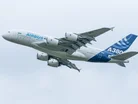
A strategic procurement decision sees Airbus partner with Siemens and Capgemini, not for immediate business expansion but to accelerate its decarbonisation strategy.
The collaboration focuses on reducing greenhouse gas emissions across Airbus's operational footprint, a move intended to promote sustainable long-term growth.
This framework agreement will be led by the buildings business of Siemens and supported by Capgemini, combining their expertise in sustainability and digitalisation to manage the project's delivery.
The partnership is a central component of Airbus’s programme to lessen its environmental impact. The programme has set targets to cut energy consumption by 20% and reduce its Scope 1 and 2 stationary emissions by 85% by 2030.
Under the terms of the agreement Siemens will supply its scalable decarbonisation solutions across selected sites helping Airbus work towards its goal of an 80kt CO2e annual reduction from 2030.
These replicable solutions which include renewable energy integration smart energy management and low-carbon heat systems will be delivered in cooperation with Capgemini.

Sourcing decarbonisation roadmaps and solutions
Siemens is tasked with evaluating the Airbus sites to create and implement a comprehensive decarbonisation masterplan.
This plan incorporates solutions designed to lower both energy demand and carbon emissions. To aid the selection of the most effective measures the project will use energy system twins. These digital simulations can help determine the optimal decarbonisation roadmaps for each specific site.
The key technologies and systems being sourced include:
- Decarbonisation of heat production through heat pumps
- Upgrades to improve energy efficiency
- The installation of smart metering systems
- On-site smart integration of renewable energy sources
- Smart energy management systems for monitoring controlling and optimising energy use across the sites.
A collaborative supplier framework
For the initial phase of the project Siemens has appointed Capgemini to handle consulting activities, the definition of governance and to provide support for project management and planning.
Capgemini also contributes its knowledge in the digitalisation and automation of energy monitoring and measurement systems. This three-way partnership highlights a procurement model based on shared goals and mutual expertise.
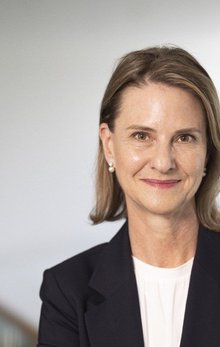
Susanne Seitz, CEO of Buildings at Siemens Smart Infrastructure, says: “Our collaboration with Airbus is built on years of mutual trust and shared ambition. It highlights Siemens’ capability to deliver smart and scalable technologies and services to reduce the carbon footprint of Airbus.”
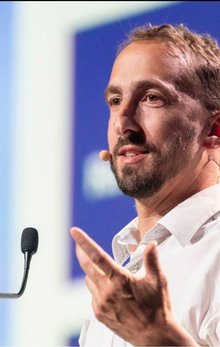
Florent Massou dit Labaquere, EVP Operations of Airbus Commercial Aircraft, explains the agreement will “keep Airbus on the right path”.
The path to aviation decarbonisation
Florent adds: “We’re proud to be taking this important step toward making our operations more energy-efficient and future-ready. Collaborating with trusted partners is key in building a more resilient industrial footprint.
"The site-specific expertise from our Airbus colleagues in the UK and the US combined with Siemens’ technical know-how will keep us on the path toward meeting our energy use and emission reduction targets.”
Susanne adds: “At Siemens we’re committed to making the energy transition not only sustainable but also achievable and scalable so that Airbus and other industrial leaders can confront climate challenges while boosting operational resilience and long-term competitiveness.”
The initial phase of the project starts in the summer of 2025 focusing on the development of these bespoke decarbonisation roadmaps for each site.
Following this, engineering studies will inform the implementation with the main infrastructure rollout scheduled to begin in 2026. The agreement also includes provisions for Siemens to operate and maintain the new infrastructure indicating a long-term service and management contract designed to ensure lasting efficiency.
This procurement initiative is built upon a relationship between Siemens and Airbus that spans more than 50 years covering collaborations in factory automation industrial software and building automation technology.


Executives
Florent Massou dit Labaquère
EVP Operations commercial aircrafts & member of Airbus executive committee
Susanne Seitz
CEO Buildings Smart Infrastructure