
The Procurement Impact of Ferrero's Kellogg Takeover
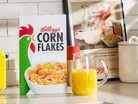
Ferrero, renowned for its confectionery, is venturing into the breakfast sector through its US$3.1bn purchase of WK Kellogg Co.
This strategic acquisition marks a significant milestone in Ferrero's supply chain and procurement strategy, particularly in North America, enhancing the company’s influence in the US cereal market and diversifying its product portfolio beyond chocolates.
The deal involves Ferrero acquiring WK Kellogg Co for US$23 per share in cash, which represents a 40% premium over the monthly average share price.
The acquisition primarily focuses on optimising Ferrero’s manufacturing and distribution network, extending its operational reach across the United States, Canada and the Caribbean.
The brands under this deal include well-known names like Frosted Flakes, Kashi and Raisin Bran. Ferrero will also absorb Kellogg's historic operations hub in Battle Creek, Michigan.

North American production expansion
For Ferrero, growth through acquisitions is a well-trodden path. The company has previously acquired US-based brands such as Keebler and Famous Amos, alongside the ice cream producer behind Blue Bunny and Bomb Pop.
This latest acquisition significantly broadens Ferrero’s cereal-focused production capabilities within North America, complementing its existing infrastructure supporting brands like Nutella and Kinder.
With cocoa price fluctuations impacting profitability, Ferrero's move towards cereals offers a cushion against these economic pressures.
The transition into cereal processing brings a well-established framework for manufacturing and packaging, helping Ferrero balance its ingredient dependency.
Lapo Civiletti, Ferrero Chief Executive, highlights that the acquisition's strategic fit of WK Kellogg Co "represents a meaningful addition to the Ferrero Group," introducing a broader range of consumer engagement opportunities.
This expansion allows Ferrero to integrate further into consumer routines and the broader grocery landscape.
Logistics and legacy integration
In acquiring WK Kellogg Co, Ferrero inherits a business adapting to its new independent status after its separation from Kellogg Co's snack sector, now known as Kellanova.
The transition has pressured the cereal division amid shifts towards healthier options and more budget-conscious consumer behaviours. These changes have squeezed branded cereal sales, leading to revised sales forecasts.
Ferrero adopts a distinctive perspective on these market shifts, aiming not only to sustain but to invigorate these brands through supply chain advancements, enhanced marketing and innovative product development.
Drawing from its experience with prior acquisitions, Ferrero plans to apply similar scaling methods to cereals like Special K and Rice Krispies, aiming for the scale and stability WK Kellogg Co has needed since its independence.
The anticipated manufacturing integrations are extensive, with Ferrero set to take over cereal production plants and manage distribution through its existing logistics networks.
This integration promises streamlined supply chains and potential for new, innovative product bundles merging its chocolate and cereal lines.
Gary Pilnick, Chairman and CEO of WK Kellogg Co, believes that the acquisition "will provide WK Kellogg Co with greater resources and more flexibility to grow our iconic brands in this competitive and dynamic market."
Navigating challenges and future steps
Conclusion of this acquisition hinges on regulatory approval in the US and elsewhere, anticipated to finalise in the latter half of 2025.
However, endorsement from a substantial portion of WK Kellogg Co shareholders, including the W.K. Kellogg Foundation Trust, provides a robust support base for the deal.
Despite a current EBITDA margin trailing behind industry leaders, Ferrero sees opportunities for operational efficiencies and enhancement. Analysts predict potential gains through cross-promotion, product bundling and integration of manufacturing processes.
Beyond immediate logistical integration, Ferrero must navigate increasing health and sustainability trends, likely impacting its production criteria. Environmental, social and governance (ESG) factors may influence decisions around packaging, sourcing ingredients and workforce practices.
However, with a stable infrastructure and key team retention planned, Ferrero is set to bolster its supply chain investments and maintain continuity in Battle Creek as a cereal headquarters.