SHEIN Greenwashing Fine: The Procurement Implications

SHEIN, a major player in the fast-fashion sector, is coming under scrutiny for its sustainability practices.
Such concerns are particularly relevant to procurement leaders who are navigating the complexities of ethical sourcing and compliance with evolving sustainability standards.
The Italian Competition Authority (AGCM) has issued a €1m (USD$1.15m) fine on Infinite Styles Services Co. Ltd, which oversees SHEIN’s product trading websites across Europe.
"The €1m (US$1.15m) fine is for the use of misleading and deceptive environmental messages and claims – known as greenwashing," says the AGCM.
The development underscores the rising importance of transparency in environmental claims, a critical factor for procurement executives committed to fostering sustainable supply chains.
The investigation and its implications
The fine follows an investigation initiated in September 2024 by the AGCM, examining potential misleading advertising claims regarding the environmental sustainability of clothing under the SHEIN brand.
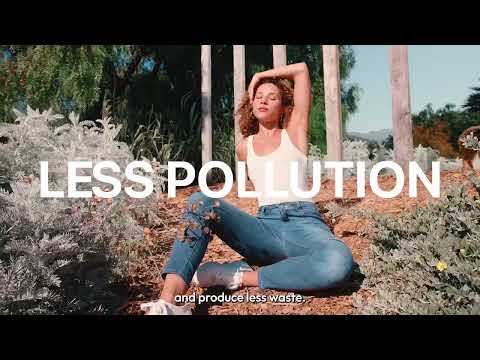
SHEIN had propagated environmental claims across several sections of its site, including #SHEINTHEKNOW and evoluSHEIN, which were described by the AGCM as "in some instances, vague, generic and/or overly emphatic and in others, misleading or omissive".
This reflects a broader regulatory momentum in Europe. For instance, a significant move by the French Parliament, which approved a bill targeting large-scale fashion entities like SHEIN and Temu, could portend similar regulatory landscapes elsewhere.
The legislative proposal includes measures such as eco-taxes, advertising restrictions and required declarations on sustainability, elements that procurement professionals will need to integrate into their operational strategies to ensure compliance.
Evaluating 'green' claims
With SHEIN’s environmental claims under scrutiny, procurement divisions must critically assess the authenticity and full lifecycle of sustainable materials.
The AGCM noted that assertions within the #SHEINTHEKNOW segment regarding product recyclability and sustainability were "false or at least confusing".
In addition, the evoluSHEIN section promoted clothing using 'green' fibres, yet failed to provide details on environmental benefits.
For procurement leaders, this situation spotlights the necessity for rigorous due diligence and transparency in the supply chain.
Mustan Lalani, the Global Head of Sustainability at SHEIN, expressed in a LinkedIn post his commitment to embedding circularity and decarbonisation within the business.
Procurement professionals must support such strategic ambitions by prioritising relationships with trusted suppliers and verifying the sustainability credentials of materials and processes.
Future-proofing procurement amidst regulatory shifts
As SHEIN declares intentions to cut GHG emissions by 25% by 2030 and achieve zero emissions by 2050, the AGCM points out that these commitments were presented "in a vague and generic way" and were contradicted by increasing emissions in 2023 and 2024.
This presents challenges for procurement teams in achieving credible sustainability outcomes, necessitating robust tracking and accountability mechanisms within supply chains.
The legislative action by the French Senate in June indicates the direction of future regulatory frameworks. The bill includes environmental surcharges on ultra-fast fashion items, starting at €5 (around USD$5.80) per item, escalating to €10 (approximately USD$11.60) by 2030.
This underscores the importance for procurement executives to adapt to new financial models that factor in sustainability-related costs and incentives supporting the transition to sustainable practices.
For procurement professionals, these developments in the fast fashion industry highlight the need to reassess procurement strategies systematically, invest in sustainable sourcing and ensure alignment with regulatory trends.
Establishing a resilient, transparent and sustainable procurement process will be crucial in navigating the evolving landscape of environmental compliance and corporate responsibility in the fashion sector.