Exploring Électricité de France's Procurement Strategy
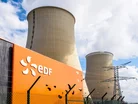
Électricité de France (EDF) runs one of the most complex industrial supply chains in global energy, spanning nuclear generation, renewables, networks and customer solutions.
That breadth puts procurement at the centre of cost control, schedule assurance and risk management. In recent years the function has tightened standards, deepened category intelligence and shifted from transactional buying to programme enablement.
Ultimately, the goals are clear: secure critical equipment and services at pace while improving resilience, safety and sustainability across an expanding project portfolio in France, the UK and other priority markets.
Procurement as a delivery engine
Led by CEO Bernard Fontana, EDF is a vertically-integrated energy company headquartered in France, with a fleet anchored in nuclear and complemented by growing wind, solar and storage, alongside network and retail activities in several countries.
This industrial footprint brings a steady stream of major works, specialist services and engineered components that must conform to demanding regulatory and safety regimes.
In practice that means procurement spends as much time shaping the plan as placing the order. Teams work with engineering to lock technical baselines early, with construction to protect critical paths and with quality to assure traceability from mill certificate to installation record. Long-lead items are brought into focus well before contract award and vendor qualification is treated as an ongoing discipline rather than a gate to be cleared once.
The measure of success stretches beyond headline savings to the quieter victories of schedule certainty, defect prevention and dependable handover.
Responsible purchasing
EDF’s expectations of suppliers are both explicit and practical.

Health and safety comes first, supported by clear rules on ethics, human rights and anti-corruption. Environmental stewardship is not a separate workstream but part of how specifications are written and how bids are evaluated.
Carbon is treated as a managed cost over the asset’s life, meaning decisions weigh up efficiency, maintainability and end-of-life outcomes alongside price. Where it helps, contracts reward measurable improvements in energy use or waste reduction rather than prescribing methods.
Day to day, supplier risk is assessed with the same curiosity whether the company is a global OEM or a niche fabricator. Procurement professionals look for signs of strain in capacity, quality or finances and act before a missed delivery becomes a lost month on site.
Payment discipline supports this stability, with prompt approvals and optional financing tools that give smaller firms predictable cash flow without relaxing controls.
Building resilience through suppliers and data
EDF’s supply base reflects a twin aim: deliver at scale while anchoring local benefits.
Strategic packages mix global expertise with regional manufacture and services, speeding delivery and building capability, while regular forums share incident learnings and agree practical fixes. Small but potent improvements – clearer lift plans, cleaner logistics, digital quality records – cut waste and uncertainty.
Behind this is a patient investment in data. Spend visibility, supplier performance trends and contract metadata are brought into one view that helps category managers see around corners. Forecasts don't remove uncertainty but reveal where it will bite first, giving time to resequence work, dual-source a component or place a buffer where it matters.
The same data disciplines apply to sustainability. Material passports, repair histories and recycling routes inform choices that keep value in the system for longer, which matters as maintenance cycles stretch and refurbishment becomes as important as new build.
Taken together, these behaviours show a procurement function built to deliver complex, safety-critical infrastructure without losing sight of its wider impact. The emphasis is on supplier relationships that withstand pressure and standards that can be applied across projects.
As electrification accelerates, those habits will count for more than any single framework or tool, turning EDF’s scale into something resilient, responsible and ready for the long haul.