How can Procurement Adapt to Heatwave Energy Challenges?
Heatwaves have already struck a number of countries in 2025, including China, the US, Canada, France and the UK. The year so far is seeing near-record heat around the world, with Q1 being the second warmest on record.
As climate change intensifies, procurement leaders face the task of ensuring reliable power amid soaring heat, with power grids are under strain due to heightened demand.
“Growth in global electricity demand this year and next is set to be among the fastest in the past two decades, highlighting the growing role of electricity in our economies as well as the impacts of severe heatwaves,” says Keisuke Sadamori, IEA Director of Energy Markets and Security, in the IEA’s July 2024 Electricity Mid-Year Update.
“It’s encouraging to see clean energy’s share of the electricity mix continuing to rise, but this needs to happen at a much faster rate to meet international energy and climate goals.
“At the same time, it’s crucial to expand and reinforce grids to provide citizens with secure and reliable electricity supply – and to implement higher energy efficiency standards to reduce the impacts of increased cooling demand on power systems.”
Supply chain pressure
Clearly, the use of fans and air conditioning units surges with high temperatures, sparking procurement implications. Demand spikes challenge grid stability, complicating electricity supply chain management.
Thinktank Ember reports that heatwaves in China, the US and India in 2024 heightened electricity demand dramatically during summer.
In the US, 37% of electricity demand growth from April to September 2024 was attributed to increased cooling needs compared to 2023. Meeting this demand led to a rise in coal and gas-based electricity generation.
“The solution is twofold: scale up efficient AC adoption to cut costs and ease peak demand, and invest in clean, flexible power to keep grids resilient as extreme weather intensifies,” adds Kostantsa Rangelova, Global Electricity Analyst at Ember.
“The crisis is accelerating—our response must, too.”
Impact on energy procurement
High temperatures affect power plant procurement strategies, with those reliant on water cooling facing operational hurdles. Warm water can force operational cuts or shutdowns.
In Switzerland, Axpo’s Beznau nuclear plant, cooled by the River Aare, halved its output during a June heatwave.
“The reduction in reactor output is a prescribed measure to protect the ecological balance of the Aare River," comments Michael Kessler, Head of the Nuclear Energy Division at Axpo.

Renewable sources also face procurement challenges. US solar equipment supplier CED Greentech notes solar panel efficiency drops 10-25% in hot temperatures.
Infrastructure and resilience
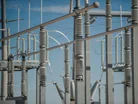
Transmission lines and transformers are also at risk. Extended heat exposure degrades performance, increases resistance and can cause system failures.
Hot weather raises resistance in power lines, complicating long-distance electricity transmission. In the UK, extreme temperatures are known to induce expansion and affect tensile strength in overhead lines, prompting widespread outages.
What's more, a lack of cooling during blackouts raises health risks, underscoring the need for resilient supply chains.
Explore the latest edition of Procurement Magazine and be part of the conversation at our global conference series, Procurement & Supply Chain LIVE.
Discover all our upcoming events and secure your tickets today.
Procurement Magazine is a BizClik brand.