Beko's Second-Life Reduce-Refurbish-Recycle Programme
Global home appliance company, Beko, is extending its sustainability initiative and giving products a second life.
Through its Reduce-Refurbish-Recycle programme, the company is celebrating circularity and making its products accessible to a wider audience at lower prices.
In doing so, it is reducing waste significantly, ensuring it has a positive impact on the environment without the added cost.

A history of excellence
Beko was founded in 1955 in Istanbul, and has gained a strong global standing throughout the years.
It entered the UK and Ireland in 1990, where it initially only sold refrigerators.
It has a portfolio of 22 brands owned or used with a limited license, including Beko, Hotpoint, Defy, Hitachi and Altus.
Beko became the largest white goods company in Europe, reaching a consolidated turnover of €10.6bn (US$12.4bn) in 2024.
More than 130 countries buy products from Beko, making up its 400m+ customers.
The company believes in reliability and innovation, integrating cutting-edge technology into its appliances.
Not only is the company committed to providing excellent products, but it is committed to having a positive environmental impact.
The company has a history of developing energy and water efficient electrical appliances, ensuring both a good impact on the world and a happy customer base.
Beko has now announced progress in its refurbishment strategy - a programme which transformed used products into new ones in order to increase circularity and sustainability.
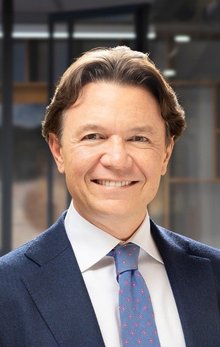
"Refurbishment is one of the smartest ways to reduce waste while delivering the high standards our customers expect," says Beko CEO, Hakan Bulgurlu.
"It’s a clear example of our commitment to building a more sustainable future."
Sustainability initiatives
Beko is scaling up its Reduce–Refurbish–Recycle programme, an integrated returns and refurbishment system which provides the returned appliances into high quality second-life products at a factory scale.
This system cuts waste and cost by ensuring products remain functional after initial use. In doing so, Beko is preventing good quality materials from ending up in landfill and delivers new appliances to homes around the world.
The programme means that essential main home appliances are more accessible due to lower costs, whilst maintaining high standards of item performance and safety.
In 2024, centres in the UK, Italy and Romania refurbished more than 114,000 appliances. The refurbished appliances were resold at up to 30% below the retail price, showing that sustainability can be affordable - two things which don't always go together.
By keeping these products in use and out of waste centres, Beko's circularity solutions showed that sustainability can be affordable and good quality.
It has zero-waste-to-landfill operations in Peterborough and is further expanding its networks in Italy and Romania.
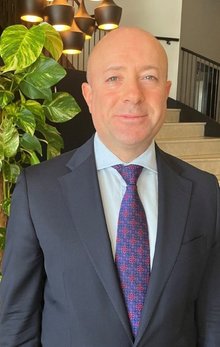
"Refurbishment is about more than repairing appliances - it's about extending lifecycles, reducing waste, and giving consumers access to reliable, affordable products," adds Fatih Özkadı, Chief Sustainability, Quality and Customer Care Officer.
"By investing in advanced refurbishment centers across Europe, we are proving that circularity can drive both sustainability and create value for households, while expanding our program to localize access to second-life Beko appliances through outlet shops and partner routes - ensuring refurbished units are available where demand is highest and consistent quality is maintained across every market."
Meeting consumer demands
Beko puts its customers first, blending customer care with environmental responsibility.
The RRR programme begins with customer care through its engineer visits or remote issue resolving. This extends product life by fixing the issue and reduces returns which could have been alterations.
Those that do enter the refurbishment cycle are tested and repaired with good quality parts and re-audited to ensure safe and reliable performance.
The resulting closed-loop cycle is good for the business and the customer alike.
Shifting consumer demands has elevated this programme, as European consumers are prioritising sustainability more and more each day. Though the sustainable option often comes with an added price - thus turning away some customers - Beko introduces this circularity at a lower price.
Beko's Peterborough refurbishment center in the UK holds more than 100,000 spare parts, manages 55 packaging types and applies high quality audits to up to 30% of refurbished units from various product categories.
This doesn't stop in the UK, though, as it is growing its refurbishment plans across Europe. In Romania, Beko is looking to reintroduce more than 75% of products into circulation.
In Carinaro, Italy, more appliances across various categories - washing machines, dishwashers etc - were being refurbished and reintroduced at cheaper prices.
Through these sustainable processes, Beko's circular strategy is saving money for consumers and for the business, whilst making sustainability accessible to all with its innovative designs.
Company portals

Executives
Fatih Özkadi
Chief Sustainability, Quality and Customer Care Officer
Hakan Bulgurlu
Chief Executive Officer