Amazon Hits 50% of 2030 Electric Vehicle Fleet Target
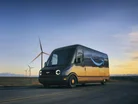
Amazon has reached the halfway point of its electric vehicle procurement target, with 50,000 units now operational across its global delivery network.
The company set a goal to procure and deploy 100,000 electric delivery vans by 2030. According to Amazon, more than 50,000 electric delivery vans are now on the road across Europe, the US and India.
The procurement strategy has required partnerships with multiple vehicle manufacturers. Amazon's approach involves selecting different transportation modes based on geographical requirements and operational demands.
The fleet includes Rivian-designed vans, Mercedes-Benz trucks, electric cargo bikes and e-scooters. The choice of vehicle reflects regional infrastructure capabilities and delivery requirements across Amazon's global operations.
Supplier partnerships drive deployment
Amazon partnered with EV manufacturer Rivian to design and procure 100,000 delivery vans for deployment across the US and Europe. According to Amazon, 30,000 of these vehicles are already in operation in the US.
The company has also procured more than 600 custom vans in Germany. These vehicles expand Amazon's electric fleet presence in European markets.
"When we set the goal to bring at least 100,000 electric delivery vans (EDVs) to the road by 2030, it was ambitious - and that's an understatement," says Kara Hurst, Chief Sustainability Officer at Amazon. "Transforming a delivery fleet at Amazon's speed and scale requires a completely new playbook."
"We collaborated with vehicles manufacturers. We built charging infrastructure needed to power the EDVs. We developed routing models that account for varying geographies and weather patterns," says Kara.
"Every step requires steadfast innovation from teams of Amazon scientists, engineers, and operations experts – and their work is ongoing."
Infrastructure investment supports operations
The fleet procurement decision required parallel investment in charging infrastructure. Amazon has deployed over 50,000 chargers at more than 250 delivery stations in the US.
According to Amazon, this constitutes one of the largest private EV charging networks in Europe and the US. The infrastructure investment totals tens of thousands of chargers across the company's facilities.
The vehicles delivered more than 2.4bn packages to customers across Europe, the US and India last year. These deliveries were completed with zero tailpipe emissions.

Regional procurement strategies differ
Amazon aimed to deploy 10,000 electric vehicles in India by 2025. The company surpassed this procurement target in early 2024.
Last month, Amazon's Climate Pledge programme launched the National EV Highway Guidance Framework. This roadmap could support the electrification of India's busiest freight routes starting in 2027.
The plan includes building high-speed charging networks, improving route planning and supporting small businesses in transitioning to electric fleets. According to the framework, road transport moves nearly 70% of goods in India.
Medium- and heavy-duty trucks represent only 3% of vehicles in India. However, they account for approximately 53% of emissions, according to the data.
Alternative transport procurement
In Japan, Amazon has started using Shinkansen bullet trains to deliver packages from Tokyo to central and northern regions. This procurement decision represents a different approach to low-carbon logistics.
Using high-speed trains could reduce CO₂ emissions from long-distance package transportation between cities. The approach uses non-passenger space for transporting packages.
"This is a unique initiative that uses non-passenger space for transporting packages and enables faster deliveries—symbolising Amazon's continuously evolving operations," says Kohei Shimatani, Vice President, Japan Operations at Amazon Japan.
"By leveraging Japan's world-class Shinkansen network, known for its high level of punctuality and speed, we will further advance the decarbonisation of our transportation network."
Kohei adds that the company looks forward to delivering packages more quickly and reliably to customers in the Hakodate, Aomori and Kanazawa areas through a variety of delivery options.
Amazon's sustainability and carbon reduction efforts are supported by its Climate Pledge initiative. This is a US$2bn programme with Global Optimism to achieve net zero emissions by 2040.
Company portals



Executives
Kara H. Hurst
Vice President, CSO, Worldwide Sustainability