
Maersk: Business Shifts Reshape Transport Procurement
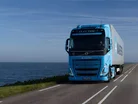
Logistics giant Maersk highlights the shifting landscape of procurement practices, driven by significant hurdles in inland transportation.
Procurement shifts in transportation
While procurement in the transportation sector has prioritised obtaining the most competitive pricing, the present volatility in delivery and logistics is forcing organisations to rethink their market strategies.
According to Maersk, the US trucking sector is under immense pressure due to a combination of rising fuel prices and increasing operational costs. These financial burdens, alongside industry consolidation, limited labor supply and shifting regulatory mandates, are creating substantial challenges for the industry.
Because escalating expenses force adjustments to operational methods and schedules, any fluctuations in inland transport directly affect various sectors. These impacts extend to warehouse productivity, inventory positioning, customer delivery reliability, rail coordination, terminal fluidity and the total landed cost.
Inland operations and optionality shifts
Data from the Pacific Merchant Shipping Association (PMSA) indicates that truck-transported containers have maintained dwell times of under three days for a sustained period. But rail-bound freight faces growing variability tied to terminal flows and network conditions.
Consequently, the efficiency of routing and inland organisation now plays a more decisive role in cargo movement than port operations alone.
Operational hurdles in the supply chain, ranging from bottlenecks at distribution centres and chassis shortages to rail congestion and late container pickups can trigger inventory imbalances, interfere with warehouse schedules, lengthen dwell times and decrease the overall speed of the supply chain.
Optionality remains as one of the ways organisations can exercise flexibility in its inland operations.
Maersk suggests that optionality is not a complete solution, primarily because of coordination challenges and shifts in inland networks. Rather than treating inventory, visibility, warehousing and transportation as isolated tasks, companies are increasingly striving to integrate these elements into a unified inland ecosystem.
While persistent hurdles such as infrastructure strain, labour shortages, operational intricacies and heightened service demands continue to impact inland transportation, they also provide a catalyst for companies to rethink their strategic objectives.
Success in this evolving landscape belongs to organisations that effectively integrate network reach, operational agility and transparent, efficient execution with strict cost management.

Maersk's procurement measures
Operating across nearly 130 nations with a workforce exceeding 100,000, Maersk is a central figure in managing intricate global supply chains.
The 2024 Integrated Annual Report, the first CSRD-compliant publication from Maersk and its parent company, A.P. Moller, was released in 2025.
This report outlines major obstacles, including the difficulty of obtaining sustainable alternative fuels for transportation and the impact of climate change on the stability of global trade.
Lene Bjørn Serpa, Former Director and Head of Corporate Sustainability & ESG at A.P. Moller - Maersk, says: “Now that the first company reports are coming out, I am sure we will start to see studies that can provide a more solid and comprehensive assessment of the value of the disclosures from the perspective of the users of the reports, and thereby point to relevant opportunities to simplify the standards.”
According to Maersk’s report: “Volatility became a defining feature this year and is here to stay, further amplifying the complexities of supply chain management.
"Disruptions are the new normal, with fluctuating trade routes, sudden shifts in demand and environmental concerns shaping the global trade landscape.”
Company portals

Executives

Lene Bjørn Serpa
Director, Head of Corporate Sustainability