Nestlé’s Recall: Red Flags in Ingredient Traceability Chains
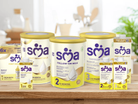
Nestlé has initiated a voluntary recall of specific batches of SMA Infant Formula and Follow-On Formula across the UK and Ireland due to potential cereulide toxin presence.
The recall affects selected batches, with the company offering full refunds to customers who have purchased the affected products.
Nestlé says there have been no confirmed reports of illness associated with consumption of the products concerned, explaining it has decided to perform this voluntary product recall in line with its product quality and safety protocols.

Understanding the potential health risk
The recall centres on the possible presence of cereulide, a heat-stable toxin that could be produced by certain strains of Bacillus cereus bacteria. According to health authorities, cereulide is associated with rapid-onset food poisoning symptoms including nausea, vomiting and abdominal cramps.
Parents, caregivers and healthcare providers have been advised not to feed any affected products to babies. Nestlé states that "the safety and well-being of babies is our absolute priority" and describes the action as "a precautionary measure."
"We understand that this news may cause concern for parents and we sincerely apologise for any concern or inconvenience caused to parents, caregivers and customers," a Nestlé spokesperson says.
The recall highlights vulnerabilities in multi-tier ingredient sourcing for infant nutrition products. Infant formula typically involves complex supply chains with multiple ingredient suppliers, each requiring rigorous quality control protocols.
Supply chain and sourcing implications
For procurement teams in the infant nutrition sector, such recalls may prompt increased scrutiny of supplier qualification processes and batch testing procedures. The incident could lead organisations to review their upstream supplier management practices, particularly for specialised nutritional ingredients.
Retailers and healthcare providers who stock SMA products need to manage inventory removal and consider alternative sourcing arrangements while affected batches are withdrawn from circulation. This involves coordination with competing brands to address potential supply gaps, particularly for specialist formulas used in healthcare settings.
The speed and scope of the recall demonstrates the importance of batch traceability systems in food manufacturing. According to food safety protocols, rapid identification and removal of affected products requires detailed tracking of ingredients from supplier through to final distribution.
Food safety authorities in the UK and Ireland, including the Food Standards Agency (FSA) and Food Safety Authority of Ireland (FSAI), monitor such recalls as part of their regulatory oversight of infant nutrition products.

About the affected brand
SMA represents one of Nestlé's infant nutrition brands, offering formulas designed for different stages of early development. The products are distributed through supermarkets, pharmacies and healthcare channels in the UK, Ireland and other markets.
As an infant formula line, SMA is subject to safety, quality and traceability standards within Nestlé's portfolio. The brand serves consumers in a category where product safety requirements are particularly stringent due to the vulnerability of the end users.
Nestlé operates quality management systems designed to meet regulatory standards across the markets where it operates. The company invests in nutrition science and food safety, combining research and development with quality management protocols.
Nestlé, founded in 1866, operates as a global food and beverage company across approximately 189 countries. The group maintains a portfolio spanning coffee, confectionery, pet care, dairy and infant nutrition categories, with infant nutrition representing one segment within its broader operations.
Corporate responsibility and industry protocols
The company has stated that product safety, particularly in infant nutrition, forms part of its corporate approach to providing nutrition products.
In recent years, the organisation has focused on nutrition labelling, product reformulation and responsible marketing practices across its portfolio.
The recall follows established protocols for voluntary product withdrawals in the food industry, where companies may choose to remove products from circulation when potential quality concerns are identified, regardless of whether adverse health effects have been confirmed.
Company portals

Executives
Philipp Navratil
Chief Executive Officer